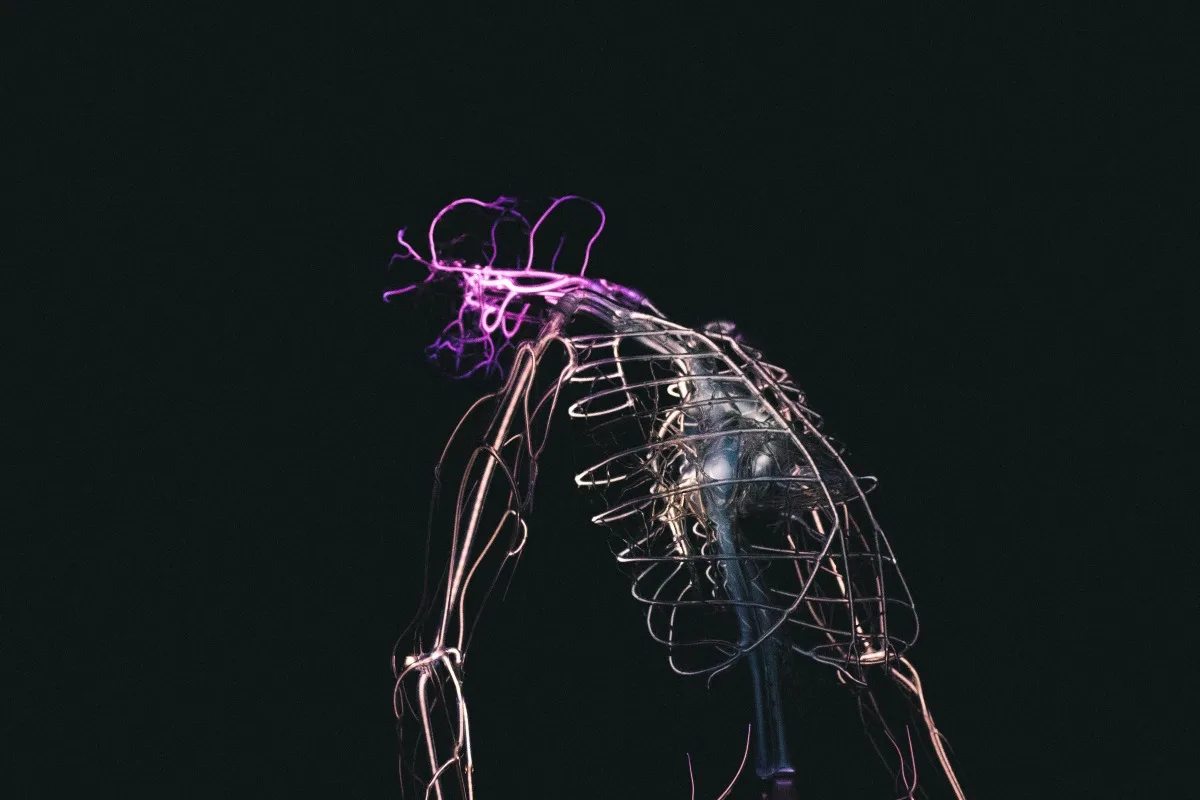
Biohacking is one of those words that means wildly different things depending on who you ask. For some people, it brings to mind silicon chips under the skin or influencers dunking themselves into ice baths before sunrise. For others, it’s just a vague wellness buzzword. Interesting, maybe, but not especially trustworthy.
Here’s the thing, though: stripped of the hype, biohacking is much simpler – and much more ordinary – than it’s often made out to be.
We’re here to explain, “What is biohacking, really?” No futurist cosplay. No miracle claims. Just a clear, evidence-aware look at a concept that’s been misunderstood almost from the moment it went mainstream.
Biohacking Explained Table of Contents
Biohacking, Explained Without the Hype
Biohacking is the practice of making intentional, evidence-informed changes to your body, habits, lifestyle, and environment to improve your health and performance.
That definition matters because it immediately rules out a lot of the noise.
Biohacking isn’t about doing the most extreme thing possible. It’s not about shortcuts, hacks in the shady sense, or pushing your body until something breaks. And it’s definitely not reserved for people with unlimited time or money.
Some versions of biohacking do sit at the extremes: unregulated substances or punishing routines sold as “mental toughness.” Those tend to dominate social media because they’re dramatic and easy to market. But they’re not representative of biohacking as a whole.
When biohacking is done responsibly, it looks more like thoughtful self-experimentation.
You notice a problem—poor sleep, low energy, brain fog, slow recovery.
You make a small change based on what we know from physiology, neuroscience, or behavioral science.
You pay attention to the outcome. Then you adjust.
Less “hack your biology.” More “learn how the system works and tune it carefully.”
What Does “Biohacking” Actually Mean?
The word itself is a mash-up of bio (biology) and hacking, but not hacking in the Hollywood sense.
In its original meaning, hacking is about understanding a system deeply enough to modify how it behaves.
With software, that might mean changing code. With the human body, it means working with biological systems like sleep–wake cycles, hormones, metabolism, stress responses, and nervous system regulation.
A helpful way to think about it is a thermostat. You don’t smash the heating system to make a room warmer. You change the setting, wait, observe, and fine-tune. Biohacking works the same way.
That distinction is important because there’s a real line between optimization and self-harm.
Optimization respects limits, variability, and recovery. Self-harm ignores them in the name of control or performance at any cost.
Responsible biohacking lives firmly on the first side of that line.
A Fun Fact From Biohacking History
Despite the modern branding, biohacking didn’t start with wearables and sci-fi aesthetics.
One of the earliest forms of biohacking was light manipulation, long before we understood circadian rhythms or melatonin. Humans figured out, through experience, that exposure to daylight affected sleep, mood, and energy.
We built homes with windows. We organized work around sunrise and sunset. We experimented and adapted.
That’s biohacking in its most basic form: noticing how the environment affects the body, then changing the environment to function better within it.
Modern biohacking just adds better tools, better data, and a growing body of scientific research to something humans have always done.
Why Do People Get Into Biohacking?
Biohacking tends to enter the picture when conventional advice starts to feel… vague. “Get more sleep.” “Reduce stress.” “Eat better.”
All true, all well-intentioned, and all frustratingly non-specific when you’re already trying and still not feeling right.
The Most Common Reasons People Start Biohacking
Chronic Fatigue and Low Energy
One of the biggest drivers behind biohacking is persistent low energy. Not the dramatic, bed-bound kind of exhaustion, but the slow-burn fatigue that makes everything feel heavier than it should.
When caffeine stops working, and motivation alone doesn’t cut it, people start looking deeper—at sleep quality, circadian rhythm alignment, blood sugar stability, and overall nervous system load.
Ongoing Sleep Problems
Sleep issues are another major entry point into biohacking. Trouble falling asleep, or sleeping for eight hours and still feeling wrecked, can make even the most skeptical person start asking better questions.
Once you realize sleep is a biological process (not a moral failing), you start paying attention to light exposure, bedroom temperature, sleep timing, and pre-bed routines.
Brain Fog and Focus Issues
Then there’s brain fog. Difficulty concentrating, forgetfulness, or the feeling that your mind is constantly “buffering” mid-task often pushes people to explore how stress hormones, blood glucose swings, sleep debt, and chronic overstimulation affect cognitive performance.
This is where biohacking overlaps heavily with neuroscience and nervous system regulation, rather than hustle culture or productivity hacks.
Longevity and Aging Concerns
Longevity also plays a role, especially as people notice that recovery and baseline energy don’t bounce back the way they used to. In this context, biohacking isn’t about living forever. It’s about staying functional, resilient, and independent for as long as possible.
Feeling “Off” Despite Normal Lab Results
Finally, there’s the feeling of being “off” despite normal lab results. This one is big. Many people who explore biohacking have been told everything looks fine on paper, even though their lived experience says otherwise.
Biohacking doesn’t replace medical care, but it can help explain the grey areas that standard tests don’t always capture. Things like sleep debt, stress load, circadian misalignment, and recovery capacity.
Biohackers Aren’t Thrill-Seekers (Usually)
Despite the stereotypes, most people drawn to biohacking aren’t chasing extremes.
They’re trying to solve practical problems. They want to wake up with energy, think clearly, train or work without burning out, and sleep like a human again.
That problem-solving mindset is important.
Biohacking, when done well, is about curiosity. You test, you observe, and you adjust. You learn what your body responds to and what it very much does not.

The Main Types of Biohacking (From Safe to Experimental)
Biohacking is a loose umbrella that covers everything from adjusting your sleep schedule to experimenting with cutting-edge technology.
One of the biggest mistakes people make when learning about biohacking is assuming it all sits at the extremes. In reality, most biohacking happens in very unglamorous places: bedtime routines, morning light exposure, meal timing, and recovery habits.
To make sense of it all, it helps to break biohacking into a few broad categories, moving from the safest and most evidence-supported approaches to the more experimental end of the spectrum.
Lifestyle and Behavioral Biohacking
If biohacking has a foundation, this is it.
Lifestyle and behavioral biohacking focuses on working with basic human biology: sleep, light, movement, stress, and timing. These are the inputs your nervous system, hormones, and metabolism are constantly responding to, whether you pay attention to them or not.
This includes things like sleep timing and consistency, aligning light exposure with your natural circadian rhythm, adjusting your eating times rather than just what you eat, building movement into your day without overtraining, and learning to downshift your stress response instead of living in a permanent “on” mode.
None of this sounds extreme, which is exactly the point. These changes tend to produce the biggest returns because they influence multiple systems at once. They’re also where most of the strongest scientific evidence lives.
Biological and Supplement-Based Biohacking
This is the category most people think of first and where things start to get more complicated.
Biological biohacking includes supplements, nootropics, diet experiments, and the use of biomarkers like blood tests to guide decisions.
At its best, this approach is personalized and cautious. At its worst, it turns into a shopping list and a very expensive experiment.
One of the biggest challenges here is individual variability. Two people can take the same supplement and have completely different responses.
There’s also a real risk of over-supplementation. More isn’t better, and stacking compounds without a clear reason or feedback loop can create new problems while trying to solve old ones.
This is an area where evidence and dosing matter just as much as curiosity.
Technology-Driven Biohacking
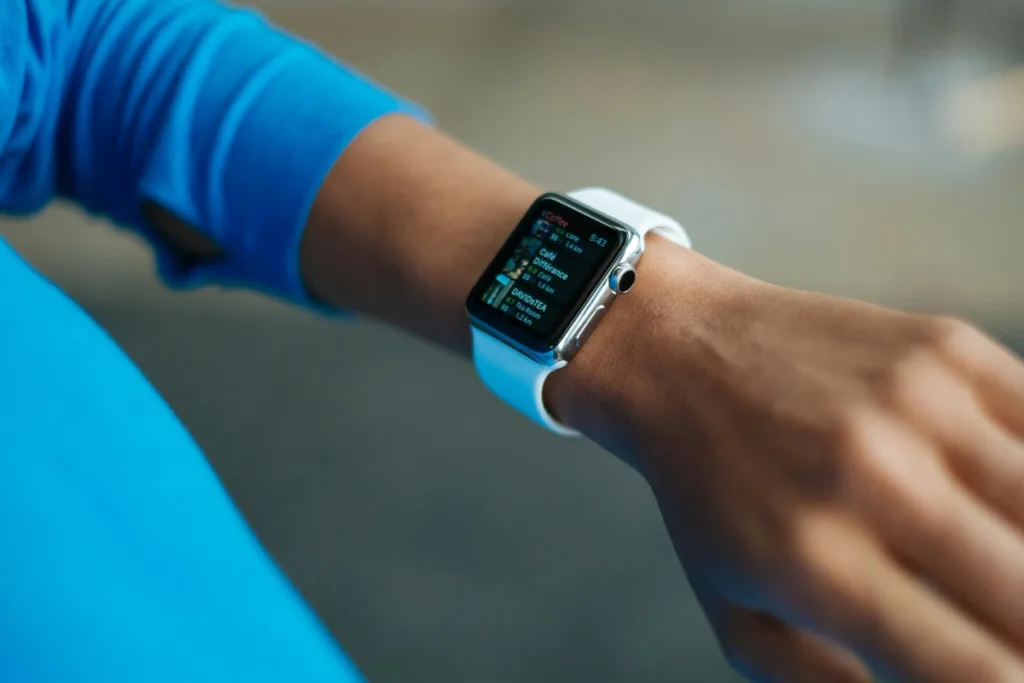
Technology-driven biohacking uses devices to collect data about how your body is functioning in real time. Wearables, sleep trackers, heart rate variability monitoring, and continuous glucose monitors all fall into this category.
Used well, these tools can be incredibly helpful. They can reveal patterns you’d never notice otherwise – like how late meals affect your sleep, or how stress shows up in your physiology before you consciously feel it.
Used poorly, they become a source of anxiety and over-optimization.
Data isn’t insight by default. Numbers need context, interpretation, and a clear reason for being tracked in the first place. Otherwise, you’re just collecting information without knowing what to do with it.
The rule of thumb here is simple: tools should serve awareness, not dominate your attention.
Extreme or Experimental Biohacking
This is the part of biohacking that grabs headlines and deserves the most caution.
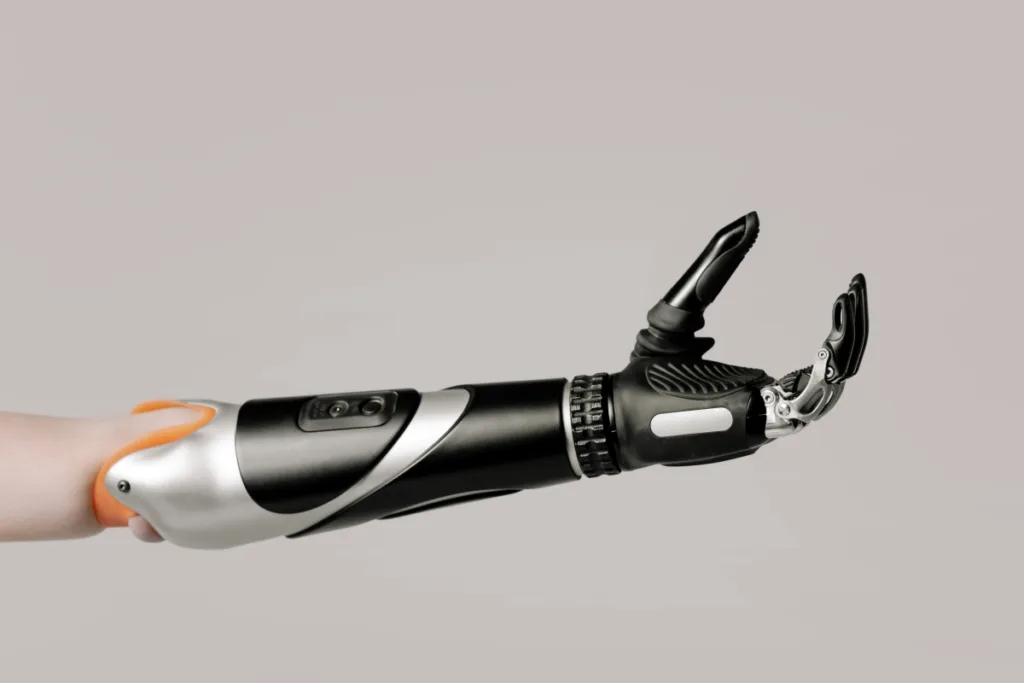
Extreme or experimental biohacking includes things like implants, unregulated substances, and DIY medical procedures.
These approaches often operate outside established medical oversight and carry significantly higher risks, with far less reliable evidence to support them.
They’re also frequently confused with mainstream biohacking, which is unfortunate. Most people exploring biohacking are not interested in becoming test subjects. They’re trying to feel better, function better, and stay healthy over time.
For the purposes of The Soft Engine, this category is simple: not recommended. High risk, low oversight, and very rarely necessary to achieve meaningful improvements in health or performance.
Is Biohacking Scientifically Legit?
Short answer: sometimes, yes. And sometimes, not really.
One of the reasons biohacking gets such mixed reactions is that it isn’t a single discipline with a single evidence base.
It’s a broad label applied to many different practices, some of which are firmly supported by decades of research and others that are still speculative, emerging, or, frankly, overhyped.
That doesn’t make biohacking meaningless. It just means you have to know how to separate what’s grounded from what’s still being figured out.
Some of the most common biohacking practices (sleep optimization, circadian rhythm alignment, regular movement, stress regulation, and basic nutrition timing) are strongly supported by research in physiology, neuroscience, and behavioral science.
These aren’t fringe ideas. They’re foundational biology, sometimes repackaged with a flashier name.
Other areas, like nootropics or novel interventions, sit in murkier territory. The science may be promising but incomplete, limited to small studies, or highly individual in its effects.
That doesn’t mean they’re useless. But it does mean your confidence level should match the evidence: extremely cautious.
Evidence-Based vs. Evidence-Inspired
A useful distinction here is the difference between evidence-based and evidence-inspired biohacking.
Evidence-based practices are backed by consistent findings across multiple studies and populations. Think sleep duration, light exposure, exercise, and stress physiology. The mechanisms are well understood, even if individual responses still vary.
Evidence-inspired practices, on the other hand, are often built on plausible biological mechanisms but lack strong or consistent human data. They may work for some people, under specific conditions, but they’re not settled science yet.
This is where anecdotes thrive and where skepticism is healthy and necessary.
A big reason anecdotes are so common in biohacking is personalization. Human biology is not uniform. Genetics, lifestyle, environment, stress load, and baseline health all influence outcomes.
What feels life-changing for one person may be irrelevant for another, even when both are acting in good faith.
That’s why the most reliable way to evaluate a biohacking claim isn’t by counting testimonials or followers.
It’s by asking three quieter questions:
- Does the mechanism make sense?
- Is there human data—not just theory?
- And does the promised effect match the strength of the evidence?
If the answer relies more on an influencer than on biology, that’s your cue to pause.
Basic Safety Principles That Matter
Responsible biohacking follows a few unglamorous but effective rules.
Start low and go slow.
Change one variable at a time so you can actually tell what’s helping and what isn’t.
Pay attention to outcomes that matter—sleep quality, energy, mood, recovery—not just numbers on a screen.
Respect your baseline health. Biohacking should adapt to your body, not override it. If something consistently makes you feel worse, that’s data, not weakness.
And while biohacking can complement medical care, it doesn’t replace it. Any approach that encourages dismissing diagnoses or pushing through warning signs has already crossed a line.
What Biohacking Is Not
Because the loudest versions tend to dominate the conversation, it’s worth being explicit about what biohacking actually isn’t.
- It’s not reserved for Silicon Valley tech workers with standing desks and unlimited supplement budgets.
- It’s not about becoming superhuman or unlocking hidden potential at any cost.
- It’s not a substitute for medical care, and it’s not inherently expensive or extreme.
Most real biohacking looks boring from the outside. Earlier bedtimes. Better light habits. Fewer crashes. More stable energy. Less friction between how your body works and how you live your life.
Should You Try Biohacking?
Biohacking isn’t something you have to do. It’s not a badge of seriousness about health, and it’s definitely not a requirement for living well.
Biohacking tends to work best for people who are reasonably patient and willing to experiment without demanding instant results.
If you enjoy noticing patterns, making small adjustments, and giving things time to settle, biohacking can be a useful framework. It gives structure to curiosity instead of letting it spiral into guesswork.
It’s also well-suited to people who like understanding why something works.
If knowing the mechanism helps you stick with a habit – why light affects sleep, why stress changes digestion, why timing matters – biohacking can make health feel more logical and less moralized.
That said, biohacking isn’t for everyone, at least not in every season of life.
People with a history of eating disorders, severe anxiety, or perfectionism need to be especially careful. Tracking and tweaking can slide from curiosity into control very quickly.
When every signal becomes something to fix, the process stops being supportive and starts becoming stressful.
The key distinction is this: biohacking should increase awareness, not tighten the leash.
If an approach makes you more anxious, rigid, or self-critical, that’s not optimization. That’s a mismatch, and it would be better to rely on dedicated and educated support networks.
Biohacking at The Soft Engine: A Grounded Approach
At The Soft Engine, biohacking isn’t a money or hype game. Most of us, including those of us here at The Soft Engine, are everyday folk. We aim to make biohacking accessible and grounded in reality.
Our approach is built around sustainability. We care far more about steady energy and mental clarity than squeezing out marginal gains at the cost of well-being.
That’s why our focus areas tend to come back to the same fundamentals: sleep quality and circadian rhythm, daily energy and fatigue, recovery and resilience, mental clarity and focus, and tools that genuinely help rather than dominate your attention.
Technology and supplements can be useful, but only when they help you rather than restrict you. And when it’s backed by a healthy body of evidence and healthy precaution.
This philosophy also shapes what we don’t do. We’re not interested in unregulated experimentation, performative suffering, or turning health into a competitive sport. The goal isn’t to override biology. It’s to cooperate with it.
Frequently Asked Questions About Biohacking
Is Biohacking Dangerous?
Biohacking itself isn’t inherently dangerous, but some approaches carry more risk than others. Low-risk practices like improving sleep habits, light exposure, and stress regulation are generally safe for most people. Risk increases with extreme restriction, heavy supplementation, or unregulated interventions.
Can Biohacking Help With Fatigue?
In many cases, yes, especially when fatigue is linked to sleep disruption, stress load, circadian misalignment, or inconsistent energy regulation. That said, persistent or severe fatigue should always be discussed with a healthcare professional.
Is Biohacking Just a Trend?
The branding is new, but the underlying idea isn’t. Humans have always experimented with sleep, food, light, and environment to feel better and function well. What’s changed is access to research, tools, and data.
What Is Biohacking? Biohacking Is a Toolset, Not an Identity
At its best, biohacking is quiet.
Small, unglamorous changes often outperform extreme interventions in the long run. Not because they’re exciting, but because they’re sustainable.
If you’re curious, explore one area at a time. Start with sleep, energy, or recovery. Pay attention. Adjust gently. And remember: curiosity should feel expansive, not pressurizing.
For more info, check out our biohacking and physical health page.
