Biohacking vs biotechnology get lumped together all the time – and honestly, it’s not hard to see why. Both involve biology. Both involve science. Both sound a little futuristic. And both get talked about online with wildly different levels of seriousness.
But here’s the key thing most explanations miss: biohacking and biotechnology operate at completely different levels of biology.
One works with your existing body, habits, and environment.
The other works on biology itself, often in labs, factories, and clinical settings.
If you’ve ever wondered whether biohacking is just “DIY biotech,” or whether biotech is just “biohacking with a PhD,” this article is here to clear that up.
Biohacking vs Biotech Table of Contents
What Is Biohacking?
Biohacking is personal, small-scale experimentation aimed at improving how your body functions using habits, environment, behavior, and feedback.
Think of biohacking as N=1 experimentation. You’re not trying to invent new biology.
You’re working with the biology you already have and asking, “What happens if I change this input?”
Biohacking typically focuses on things like:
- sleep timing and consistency
- light exposure
- movement and recovery
- stress regulation
- meal timing and energy management
Crucially, biohacking works within existing human biology. It doesn’t alter genes, engineer cells, or create new biological products. It adjusts signals your body already responds to.
An Example of Biohacking
Let’s say someone notices they feel exhausted every afternoon. Instead of adding supplements or stimulants, they experiment with:
- getting outside for 10–15 minutes of morning sunlight,
- moving their caffeine intake earlier in the day, and
- shifting their main meal slightly earlier to avoid a blood sugar crash.
They track energy, focus, and sleep for a few weeks and keep what helps.
That’s biohacking.
No lab. No genetic modification. Just informed adjustments to the environment and behavior, guided by feedback.
What Is Biotechnology?
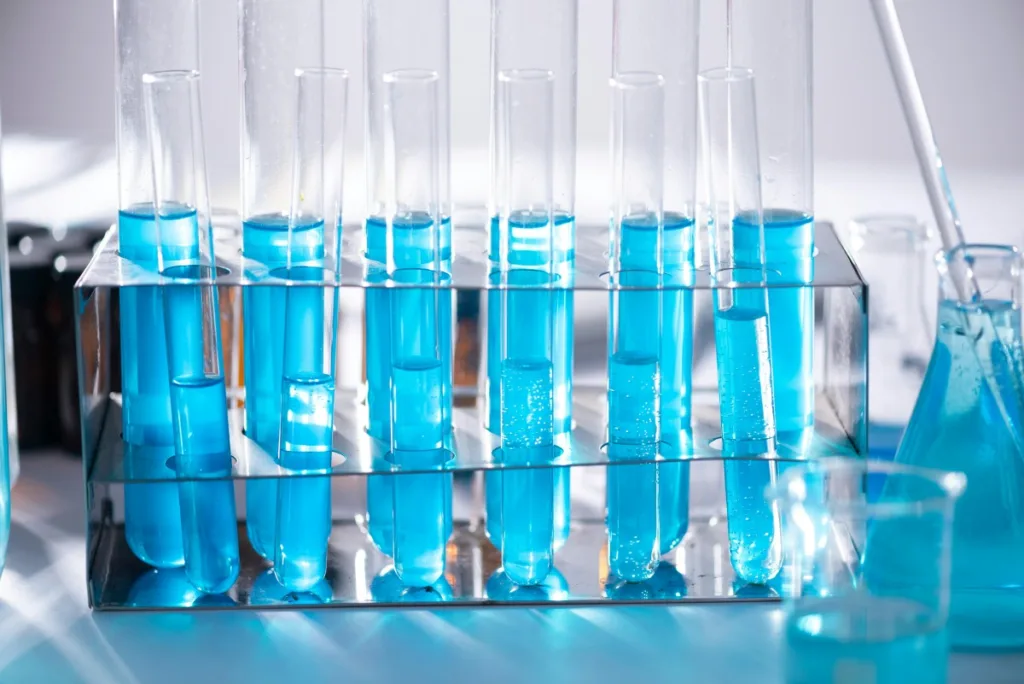
Biotechnology is an applied biological science used to modify, engineer, or manufacture biological systems or products. This happens at a completely different scale.
Biotechnology typically takes place in:
- research labs
- pharmaceutical companies
- hospitals and clinical settings
- industrial production facilities
Instead of adjusting habits or signals, biotechnology directly intervenes in biological processes, often at the cellular or molecular level.
Examples of Biotechnology
To make this tangible, here are clear, real-world examples:
- Insulin produced by genetically modified bacteria: Scientists insert the human insulin gene into bacteria, which then produce insulin used by people with diabetes.
- mRNA vaccines: These use engineered genetic instructions to train the immune system to recognize a pathogen.
- Gene editing technologies like CRISPR: These allow researchers to cut and modify DNA sequences directly.
- Biopharmaceuticals: Drugs produced using living cells, such as monoclonal antibodies for autoimmune diseases or cancer.
In all of these cases, biology itself is being engineered or manufactured, not just influenced.
The Core Difference Between Biohacking and Biotechnology
If biohacking and biotechnology were people, they’d both love biology, but they’d have very different day jobs.
The easiest way to see the difference is to put them side by side. Once you do, the confusion tends to disappear.
Biohacking and Biotech Comparison Table
| Aspect | Biohacking | Biotechnology |
| Scale | Individual-level (you, personally) | Population-level (patients, consumers, ecosystems) |
| Primary Goal | Improve how your body functions | Create, modify, or manufacture biological products |
| Setting | Daily life: home, gym, outdoors, routines | Labs, factories, hospitals, and research institutions |
| What’s Being Changed | Inputs your body already responds to (sleep, light, food, stress) | Biology itself (cells, genes, proteins, organisms) |
| Typical Methods | Habit changes, environmental tweaks, tracking, self-observation | Genetic engineering, cell culture, and molecular biology |
| Who Performs It | Individuals | Trained scientists, clinicians, and biotech companies |
| Regulation | Mostly self-guided | Heavily regulated by laws and ethics boards |
| Risk Profile | Behavioral and psychological risks (overdoing it, misinterpretation) | Biological and systemic risks (safety, efficacy, ethics) |
| Examples | Adjusting sleep timing, using a wearable, and changing meal timing | Insulin production, vaccines, and gene therapies |
Explain Biohacking vs Biotechnology Like I’m Five
Biohacking doesn’t mean you’re changing biology itself. You’re changing conditions and signals – and letting your existing biology respond.
Biotechnology, on the other hand, is about intervening directly in biological systems. That’s why it requires labs, regulation, clinical trials, and specialists. The stakes are higher, the risks are different, and the impact extends far beyond one person.
If biohacking is like adjusting the thermostat in your house, biotechnology is like redesigning the heating system itself.
Where Biohacking and Biotechnology Overlap
Biohacking and biotechnology are different, but they’re not living in separate universes. They overlap in tools, data, and inspiration, even though they operate at different levels.
The key thing to understand is who is doing what.
Biotechnology often creates the tools.
Biohackers then use those tools to make lifestyle decisions.
Shared Curiosity About Biology
Both biohacking and biotechnology are driven by the same basic question: How does the human body work, and how can we support it better?
Biotechnologists answer that question by studying cells, genes, proteins, and biological mechanisms in controlled environments.
Biohackers ask the same question, but apply the answers to daily life: sleep, energy, focus, and recovery. Same curiosity. Different execution.
Data and Measurement
This is where the overlap becomes very visible. Many of the tools biohackers use exist because of biotechnology:
- blood tests
- hormone panels
- genetic screening
- metabolic measurements
Those tools were developed through lab science, clinical research, and biotech innovation, but they’re often used by individuals to guide personal choices.
A Clear Overlap Example: Continuous Glucose Monitors (CGMs)
A CGM is a great example of where biotech and biohacking meet.
- Biotechnology side: CGMs were developed through biomedical engineering and clinical research to help people with diabetes manage blood sugar safely.
- Biohacking side: Some non-diabetic individuals now use CGMs to observe how different meals, meal timing, or stress levels affect their energy and focus.
The technology itself is biotech. The lifestyle experimentation based on the data is biohacking.
Why Biohacking Is Not DIY Biotechnology
Biohacking does not mean doing lab science at home. It does not mean altering DNA, synthesizing chemicals, or engineering cells. When people blur that line, things get unsafe very quickly.
DIY Biology ≠ Lifestyle Biohacking
DIY biology (sometimes called “garage biology”—involves activities like:
- gene editing
- cell culture
- chemical synthesis
- lab experimentation outside regulated settings
That is biotechnology, not biohacking. And it comes with risks that go far beyond lifestyle experimentation.
Lifestyle biohacking stays in a very different lane:
- adjusting routines
- changing environments
- experimenting with timing
- observing personal responses
Why the Confusion Is Dangerous
Calling biohacking “amateur biotech” suggests that individuals are trying to replicate lab science on themselves. Most aren’t, and you shouldn’t.
Biotechnology is powerful precisely because it’s regulated, peer-reviewed, and tested across large populations. Removing those guardrails doesn’t make it innovative; it makes it risky.
Biohacking, done responsibly, avoids that problem by working with existing biology rather than attempting to re-engineer it.

Biohacking vs Biotechnology: Frequently Asked Questions
Is Biohacking the Same Thing as Biotechnology?
No. Biohacking and biotechnology are related but not the same. Biohacking focuses on personal habits and environments (like sleep timing or stress management), while biotechnology involves lab-based science that modifies or engineers biological systems, such as vaccines or insulin production.
Is Biohacking Just DIY Biotechnology?
No, and this is a common misconception. Biohacking does not involve gene editing, cell culture, or chemical synthesis. Those activities fall under biotechnology and require specialized training and regulation. Biohacking stays in the lane of lifestyle experimentation.
Can Biohackers Use Biotechnology Tools?
Yes, but they don’t create them. For example, a continuous glucose monitor is a biotechnology product developed for medical use. A biohacker might use that data to adjust meal timing or food choices. The tool is biotech; the behavior change is biohacking.
Do You Need Scientific Training to Biohack?
No. Biohacking does not require lab skills or advanced scientific training. It relies on observation, feedback, and small changes to daily habits, like adjusting sleep schedules or light exposure, rather than technical biological manipulation.
In Conclusion: Same Curiosity, Very Different Tools
Biohacking and biotechnology share a fascination with how biology works, but they operate at different scales, with different responsibilities and risks.
Biohacking is about working with your biology: tuning inputs, noticing feedback, and making small, informed adjustments.
Biotechnology is about changing biology itself: engineering cells, producing medicines, and solving problems at scale.
If you want to go deeper, it helps to understand:
