Sleep trackers have become the unofficial referees of our nights. A watch or ring runs its algorithms while you sleep, and by morning, you’re handed a neat little score that claims to summarize eight hours of unconscious biology.
But here’s the catch: these devices aren’t actually measuring sleep directly.
Over the past few years, validation studies comparing consumer trackers to clinical sleep testing have landed on a clear consensus: trackers are pretty good at detecting whether you slept, but far less precise when it comes to sleep stages, wakefulness, or diagnosing problems.
So the real question isn’t just “Are sleep trackers accurate?” but also “What are they correct about?”
Are Sleep Trackers Accurate: Table of Contents
The Short Answer
Sleep trackers are generally accurate at detecting when you’re asleep. But they often overestimate sleep, struggle to detect quiet wakefulness, and show mixed accuracy when measuring sleep stages such as REM and deep sleep.
Most validation studies find that sleep detection sensitivity typically falls around 90% or higher, meaning devices are good at recognizing sleep periods. Sleep stage accuracy is much more variable, often around 55–65% in consumer devices.
Because consumer trackers rely on indirect physiological signals rather than measuring brain activity as clinical sleep studies do, they’re best understood as trend tools rather than precise measurement devices.
If you think of your sleep score like a weather forecast — useful for seeing patterns but not perfectly precise — you’ll interpret your data much more effectively.
How Sleep Trackers Actually Measure Sleep
At their core, sleep trackers are pattern recognition machines. They don’t measure sleep directly — they measure signals that tend to change when humans fall asleep, then use models to interpret what those signals probably mean.
This is the foundation of modern sleep tracker technology, and it’s surprisingly sophisticated.
Most consumer devices rely on a mix of sensors working together:
- Accelerometers detect movement and stillness
- Optical heart rate sensors (PPG) measure pulse using light
- Heart rate variability (HRV) tracks nervous system activity
- Skin temperature sensors detect subtle overnight changes
- Respiratory tracking estimates breathing patterns
- Microphones may detect snoring or disturbances
- Blood oxygen sensors (SpO₂) in some devices monitor oxygen saturation
These signals are fed into algorithms trained on large sleep datasets (often compared against lab sleep studies) to identify patterns that typically correspond to sleep, wakefulness, or different sleep stages.
Why Movement Matters So Much
Historically, sleep tracking grew out of actigraphy, which uses movement as the primary indicator of sleep. When your body stops moving for extended periods, there’s a high probability you’re asleep.
That’s why most trackers are very good at detecting sleep onset but struggle with quiet wakefulness — because biologically, lying still and sleeping can look very similar from a motion perspective.
Heart Rate Adds Context
Heart rate and HRV give trackers a second layer of insight. During sleep, heart rate generally slows and HRV patterns shift as the body moves between sympathetic and parasympathetic nervous system dominance.
Algorithms use these patterns to estimate sleep depth, though they’re still indirect markers rather than direct measurements.
Why They Can’t Measure Sleep Directly
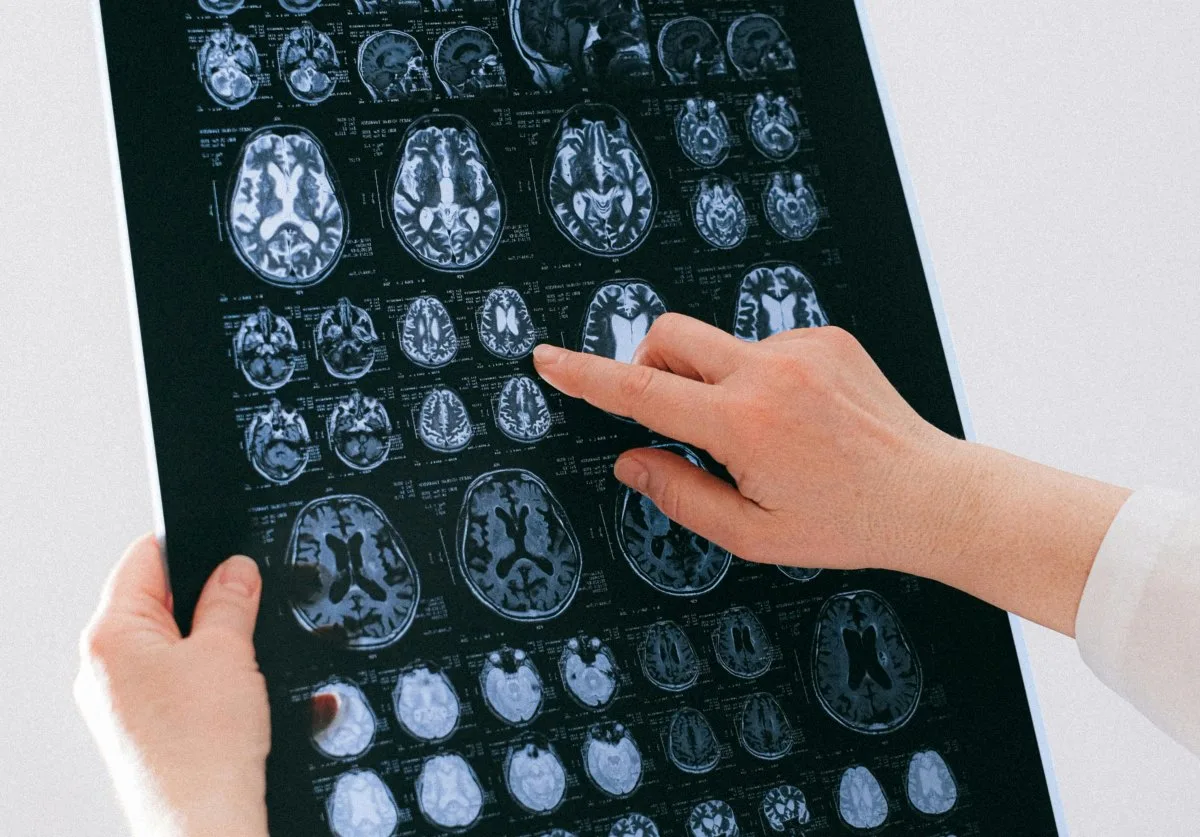
Clinical sleep testing measures brain waves using an Electroencephalogram (EEG), which directly shows transitions between sleep stages. Consumer devices don’t have access to neurological data, so they rely on correlations instead of direct observation.
Think of it like trying to determine what’s happening inside a house by watching the lights and listening at the door. You can make good guesses, but you don’t see everything.
The Algorithm Factor
One of the least discussed aspects of sleep tracking is that most scoring systems are proprietary. Companies don’t fully disclose how their models weigh different signals, which is why two devices can interpret the same night differently.
What Sleep Trackers Get Right
Despite their limitations, the best sleep trackers are genuinely useful tools when you focus on what they measure well rather than expecting clinical precision.
Sleep vs Wake Detection
This is where trackers perform strongest.
Physiological changes during sleep — reduced movement, slower heart rate, more stable breathing — create a clear signal pattern that algorithms can detect reliably.
Many validation studies show sleep detection sensitivity around or above 90%, meaning devices are very good at identifying when you were asleep overall.
Total Sleep Time
Because sleep detection is relatively reliable, total sleep duration estimates tend to be directionally accurate. While they may slightly overestimate sleep due to quiet wakefulness, they usually capture overall sleep quantity reasonably well.
For most users, this is one of the most actionable metrics.
Long-Term Patterns
Continuous monitoring is something traditional sleep studies can’t easily replicate, and it’s arguably the biggest advantage of consumer trackers.
Over time, devices can reveal:
- Whether your sleep schedule is consistent
- If you’re accumulating sleep debt
- How weekends differ from weekdays
- Whether lifestyle changes affect sleep duration
- Variability in sleep timing
Patterns often matter more than individual nights because sleep naturally fluctuates.
Consistency Tracking
Sleep regularity is one of the strongest predictors of improving sleep quality and overall health, and trackers excel at highlighting irregular bedtimes or shifting wake times.
This type of feedback is particularly valuable because consistency is one of the most modifiable sleep behaviors.
Behavioral Feedback Loops
Seeing objective data changes behavior. Many users naturally adjust their routines — going to bed earlier, reducing late caffeine intake, improving sleep environments — simply because they can see patterns reflected back to them.
This feedback loop is one of the biggest real-world benefits of sleep tracking, even if the numbers aren’t perfectly precise.
Where Sleep Trackers Fall Apart
For all their clever engineering, sleep trackers run into real limitations once they move beyond detecting whether you’re asleep at all. The further they try to interpret the quality or structure of sleep, the more uncertainty creeps in.
This isn’t a failure of technology so much as a reflection of biology. Sleep is a neurological process, and consumer devices are trying to infer it without direct access to the brain.
Sleep Stages Are Educated Guesses
Most trackers divide your night into light sleep, deep sleep, and REM. It looks scientific, and the charts feel precise, but under the hood, these classifications are based on indirect signals like heart rate variability and movement patterns.
Without measuring brain waves, devices can’t directly observe stage transitions. Instead, they use probability models trained on large datasets to estimate which stage you’re likely in.
Validation studies show stage agreement often lands somewhere between roughly 50% and 80%, depending on device and methodology. That’s useful for broad trends, but not precise enough to treat nightly stage percentages as exact.
In other words, the architecture of your sleep is being sketched, not photographed.
Wake Detection Is Surprisingly Hard
One of the biggest blind spots in sleep tracking is detecting quiet wakefulness — lying still but awake.
From a sensor perspective, a calm person reading in bed and a sleeping person can look almost identical: minimal movement, slow heart rate, steady breathing.
Because of this, trackers often underestimate wake periods and overestimate total sleep time. This is why people with insomnia frequently see inflated sleep scores despite feeling poorly rested.
Sleep Latency Is Often Misestimated
Sleep latency (how long it takes you to fall asleep) is notoriously difficult to measure without EEG data. Trackers typically assume sleep begins when movement decreases, which may not match the actual moment you fall asleep.
If you spend time lying still while thinking or relaxing, devices may record sleep onset earlier than reality.
Sleep Disorders Are Outside Their Scope
Consumer trackers are not diagnostic tools. They cannot reliably detect conditions like sleep apnea, periodic limb movement disorder, or chronic insomnia.
Some devices can flag irregular breathing or oxygen changes, but these are screening signals, not diagnoses.
Accuracy also tends to drop in people with fragmented sleep patterns or medical conditions because the algorithms are trained primarily on general population data.
Device Type Matters More Than People Realize
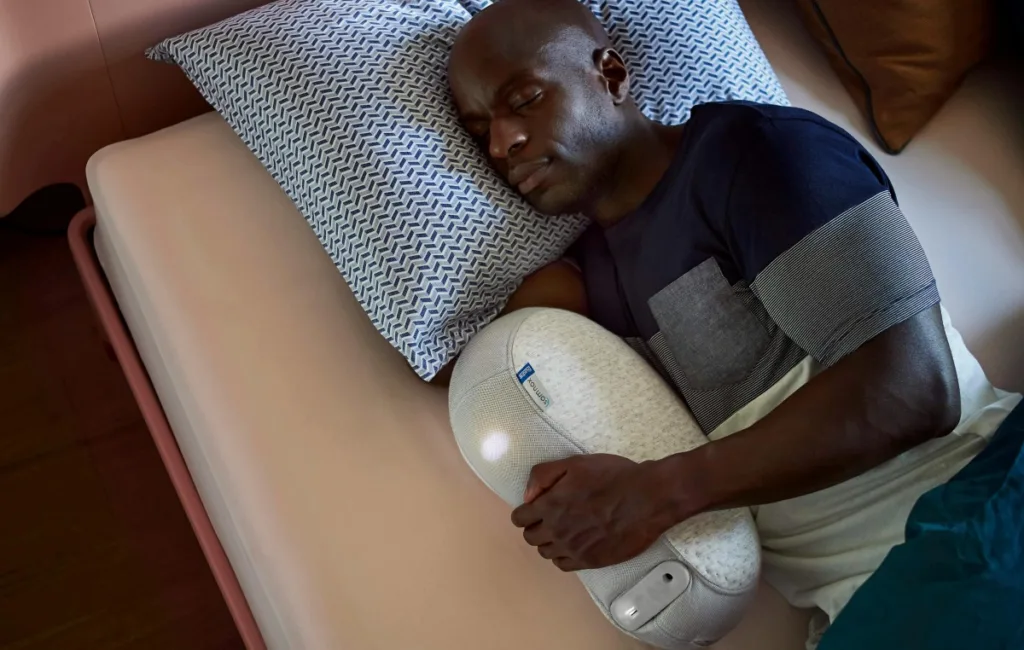
Differences between wearables and non-wearables, and even Android and iPhone sleep tracking apps, introduce different strengths and weaknesses.
Wearables have better access to physiological signals like heart rate and HRV, while bedside or mattress sensors rely more heavily on movement and respiratory patterns. Each approach introduces different error patterns, which is why results can vary across devices.
The Black Box Problem
Most companies don’t disclose how their scoring algorithms work. Two devices can produce very different sleep scores from the same night simply because they weigh signals differently.
This doesn’t mean either is “wrong”. But it does mean that sleep tracking is model-dependent rather than absolute. The true power in that case comes with consistency.
How Accurate Are They Compared To Sleep Studies
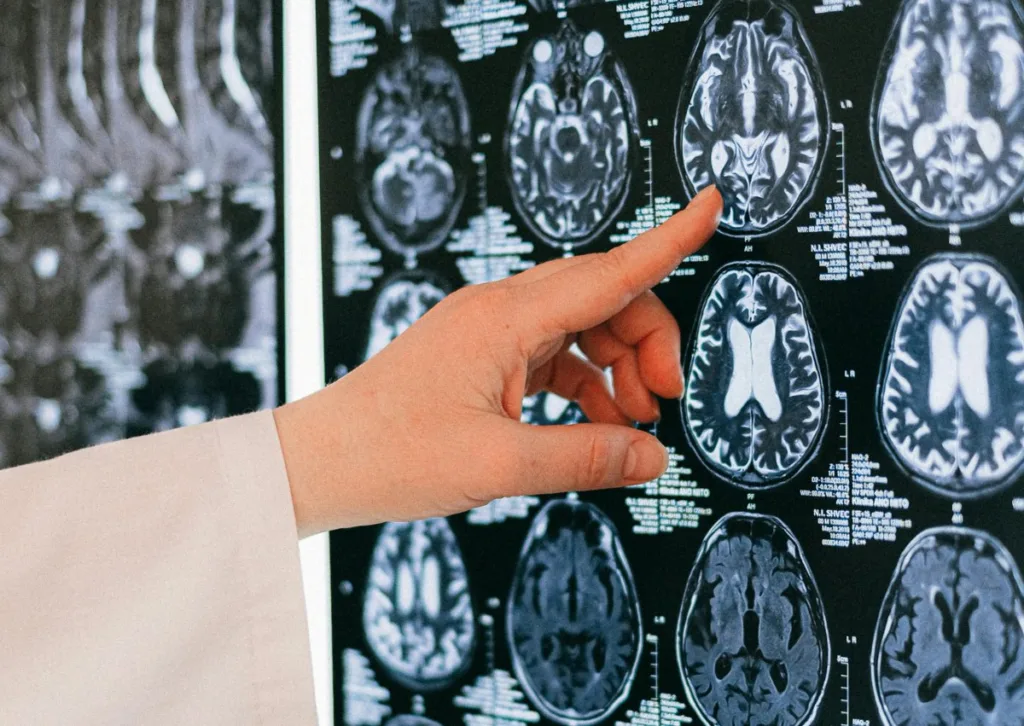
To understand the limits of sleep trackers, it helps to compare them to the gold standard: polysomnography (PSG), the clinical sleep study used in sleep labs.
If consumer trackers are clever detectives, PSG is full forensic surveillance.
What Clinical Sleep Studies Measure
Polysomnography measures sleep directly using neurological and physiological signals, including:
- Brain waves (EEG)
- Eye movements
- Muscle activity
- Heart rhythm
- Breathing patterns
- Oxygen levels
- Limb movements
Because sleep stages are defined by brain activity, measuring EEG allows clinicians to identify stage transitions with high precision.
Why PSG Is the Gold Standard
PSG doesn’t infer sleep. It observes it directly. This is why it remains the benchmark for diagnosing sleep disorders and evaluating sleep architecture.
Compared to PSG, consumer trackers rely on indirect markers like movement and cardiovascular signals, which are correlated with sleep but not definitive.
This fundamental difference explains why trackers can approximate sleep duration reasonably well but struggle with staging accuracy.
When Sleep Trackers Are Actually Useful
When you shift from expecting precision to looking for patterns, sleep trackers become much more powerful and much less stressful.
Their greatest strength isn’t measuring sleep perfectly. It’s helping you see how your habits shape your sleep over time.
Behavior Change Awareness
Simply seeing objective data can increase awareness of sleep habits. Many people naturally adjust their bedtimes, reduce late caffeine intake, or improve their sleep environments after noticing patterns reflected back to them.
This awareness effect is one of the most consistent real-world benefits of sleep tracking.
Habit Tracking
Sleep trackers are excellent for identifying how behaviors affect sleep, such as:
- Consistent vs irregular sleep schedules
- Effects of exercise timing
- Late meals or alcohol
- Screen exposure before bed
- Stress patterns
- Travel or schedule changes
Because they collect continuous data, they allow you to see cause-and-effect relationships that would otherwise be hard to notice.
Lifestyle Experiments
Trackers are ideal for running personal experiments. You can test changes like earlier bedtimes, morning light exposure, reduced caffeine, or adjusted routines, and observe trends over weeks rather than relying on memory.
This makes them powerful tools for self-directed sleep improvement.
Long-Term Pattern Recognition
Sleep health is less about individual nights and more about consistency over weeks and months. Continuous monitoring allows trackers to highlight trends like:
- Gradual sleep debt accumulation
- Chronic irregularity
- Seasonal changes
- Shifts during stressful periods
These patterns provide far more meaningful insight than nightly stage percentages.
The Psychological Side: When Tracking Becomes Counterproductive
For most people, sleep trackers are helpful. But for some, they can create a strange paradox: trying so hard to optimize sleep that sleep actually gets worse.
Researchers have a name for this phenomenon — orthosomnia — which describes anxiety or obsession around achieving “perfect” sleep scores.
When Data Starts Driving Stress
Because sleep scores feel authoritative, people can begin to judge their nights based on numbers rather than how they actually feel. Seeing a low score can create worry, even if sleep was subjectively fine.
Ironically, stress about sleep is one of the strongest disruptors of sleep itself. The brain shifts into a state of heightened alertness, which can increase sleep latency and reduce sleep quality.
The Perfection Trap
Sleep is naturally variable. No one sleeps perfectly every night, and fluctuations in duration or stages are normal. But trackers can create the illusion that deviations are problems rather than normal biology.
When users begin chasing “perfect” scores, sleep can start to feel like a performance rather than a restorative process.
How To Use Data Without Anxiety
The healthiest approach is to treat sleep data as informative rather than evaluative.
Look for patterns over time instead of reacting to individual nights. If you feel rested and functional, occasional low scores are usually not meaningful. Subjective experience still matters — the numbers are just one piece of the puzzle.
When used with flexibility, sleep tracking can support better habits without creating unnecessary pressure.
Future Forward: The Future Of Sleep Tracking Accuracy
Sleep tracking is still in its adolescence, technologically speaking. What we have today is impressive, but it’s very likely the clunkiest version of this technology we’ll ever use.
Right now, most trackers are trying to interpret sleep using a handful of signals and statistical assumptions.
But newer devices are beginning to combine multiple physiological streams at once — heart rate variability, temperature trends, breathing patterns, movement, and blood oxygen — layering them together to build richer models of what’s happening overnight.
Think of it as moving from a sketch to a full-color rendering. The more signals a device can integrate, the less it has to rely on guesswork.
At the same time, algorithms are getting smarter in a way that matters more than any new sensor: they’re starting to learn individuals instead of populations.
Instead of comparing your night to an average sleeper, future systems will learn your baseline rhythms. That shift toward personalization could dramatically reduce the biggest source of error in sleep tracking — the assumption that everyone’s physiology behaves the same way.
We’re also seeing the early rise of contactless monitoring, with radar and bedside sensors capable of tracking breathing and movement without anything touching your body.
Perhaps the most exciting development is how sleep data is starting to connect with broader health insights.
Researchers are increasingly using long-term sleep patterns to explore links with cardiovascular health, metabolic regulation, stress resilience, and recovery. Sleep tracking may evolve from a nightly score into a kind of biological timeline of how your body is adapting to life over months and years.
Frequently Asked Questions
Are sleep trackers medically accurate?
No, consumer sleep trackers are not considered medical diagnostic tools. While some devices show reasonable accuracy for detecting sleep timing and duration, they do not measure brain activity and cannot diagnose sleep disorders.
Can sleep trackers detect sleep apnea?
No, most consumer sleep trackers cannot diagnose sleep apnea. Some devices may flag irregular breathing patterns or oxygen fluctuations, but these signals are only indicators. Proper diagnosis requires a clinical sleep study or medical-grade testing.
Why is my sleep tracker wrong?
Sleep trackers rely on indirect signals like movement and heart rate, which means they can misinterpret quiet wakefulness, stress responses, or unusual physiological patterns. Individual variation and proprietary algorithms also contribute to differences between your experience and your score.
Do sleep trackers overestimate sleep?
Yes, many devices tend to overestimate sleep because lying still while awake can be interpreted as sleep. This is particularly common in people who spend time resting quietly before falling asleep or who experience insomnia.
Which sleep metric is most accurate?
Total sleep time and sleep consistency are typically the most reliable metrics across consumer devices. Sleep stage breakdowns are more variable and should be interpreted as estimates rather than precise measurements.
Conclusion
Sleep trackers are good at showing whether your sleep habits are stable or becoming more irregular, but they’re not designed to diagnose problems or perfectly map sleep stages.
The real value comes from watching trends over time and using that feedback to adjust routines, not from treating nightly scores as the absolute truth.
If you treat your tracker like a helpful guide instead of a strict judge, it can become one of the most useful tools for understanding how your habits shape your sleep.
If you want to go beyond scores, try our quick and FREE sleep hygiene test to explore how your routines, environment, and habits influence your sleep patterns – and where small changes could have the biggest impact.
