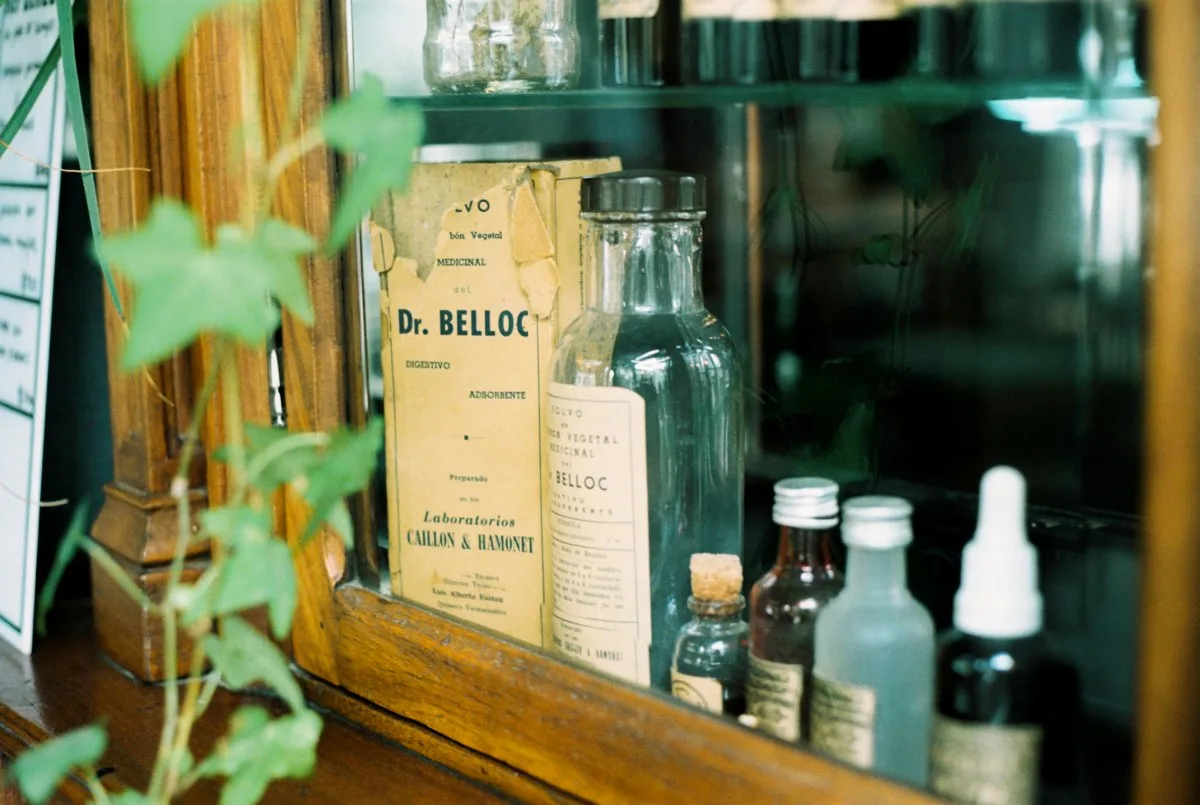

Biohacking often gets treated like a modern invention. Something that appeared the moment wearables and podcasts collided with Silicon Valley productivity culture. But that version of the story is… very incomplete.
Long before we had glucose monitors, cold plunges, or even the word biology, humans were already experimenting on themselves.
The only real difference between then and now is this: today, we have better tools and better language for something humans have always done.
The history of biohacking isn’t a straight line toward optimization. It’s a long, messy, fascinating trail of trial-and-error, intuition, ritual, science, and self-experimentation.
And understanding that history makes modern biohacking a lot easier to evaluate – without falling for hype or dismissing it outright.
History of Biohacking Table of Contents
Before the Term Existed: Early Human Biohacking
If biohacking simply means making intentional changes to improve how the body functions, then humans have been biohacking for as long as they’ve been human.
Early humans didn’t know about circadian rhythms or metabolism, but they felt the effects of light, food, temperature, and movement.
They learned (often the hard way) that sleeping when it was dark mattered, that certain foods made them stronger or sicker, and that pacing physical effort affected survival.
One of the most powerful early biohacks was fire.
Cooking food didn’t just make meals safer; it made nutrients easier to digest and energy easier to access.
That single environmental change reshaped human biology over time, supporting larger brains and freeing up energy for thinking, planning, and social coordination. No lab coat required.
Ancient Biohacking Through Culture and Ritual
As societies became more complex, biohacking became more intentional and often wrapped in culture and belief systems.
Fasting is a classic example.
Long before researchers studied metabolic switching or insulin sensitivity, people noticed that periods without food could sharpen focus, alter mood, or create a sense of mental clarity.
These effects were interpreted spiritually or philosophically, but the biological mechanisms were already at work.
Heat and cold exposure followed a similar path.
Saunas, hot baths, cold water immersion, and seasonal exposure weren’t framed as “stress hormesis,” but they absolutely influenced circulation, nervous system tone, and resilience.
People learned what felt restorative and what didn’t and passed that knowledge down.
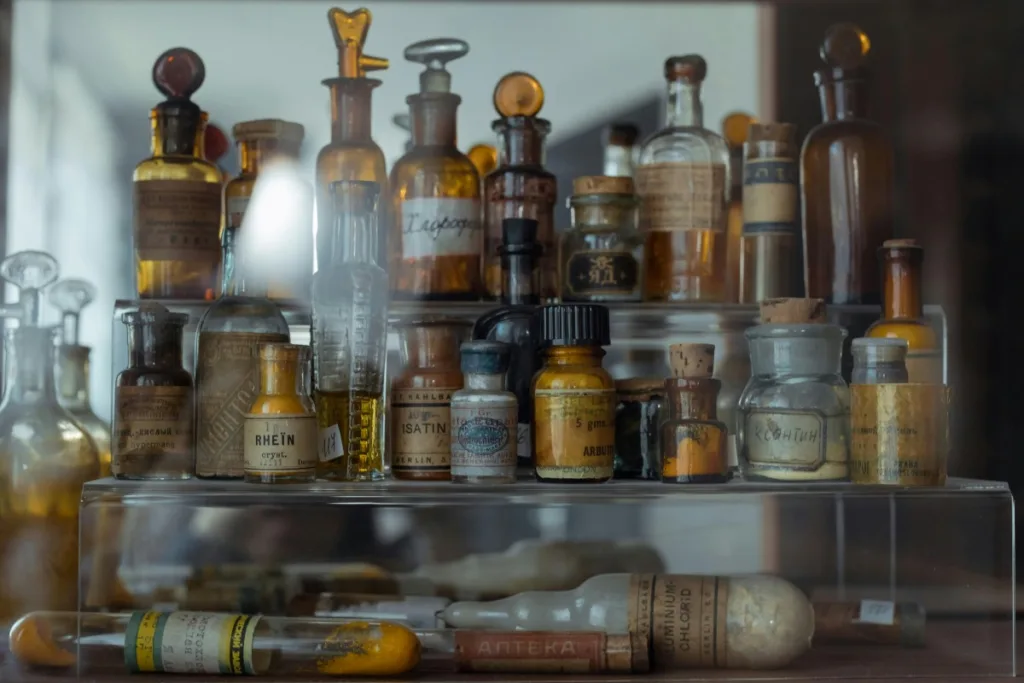
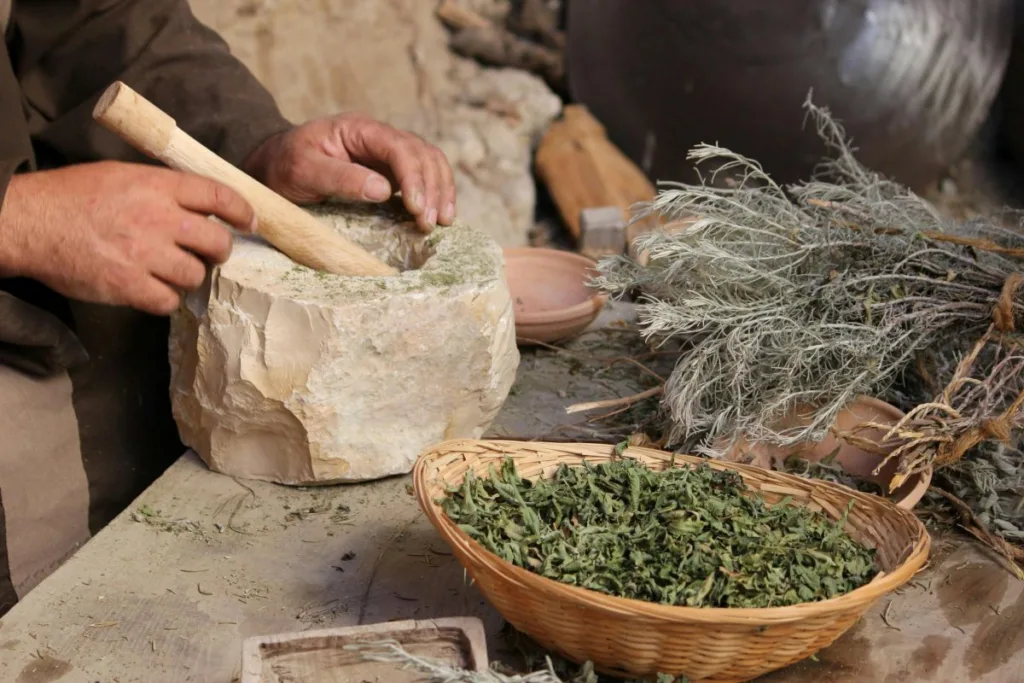
Herbal experimentation also played a role. Ancient cultures tested plants for energy, relaxation, pain relief, and alertness. Some experiments failed. Some succeeded.
Some of those experiments worked so well that they eventually became modern medicine. Willow bark, for example, was used for pain relief long before scientists isolated salicin and turned it into aspirin.
The Scientific Turn: When Curiosity Met Measurement
For most of human history, biohacking was guided by observation and tradition. People noticed what worked, repeated it, and passed it on.
But at some point, curiosity started asking a sharper question: why does this work?
That question changed everything.
Instead of relying solely on intuition or ritual, researchers began tracking sleep, energy, digestion, strength, and recovery in systematic ways. Biology shifted from something mysterious to something (at least partially) knowable.
Sleep is a great example.
For centuries, people knew sleep mattered, but it wasn’t until the late 19th and early 20th centuries that scientists began studying sleep stages, brain activity, and circadian rhythms.
Suddenly, “I feel better when I sleep at certain times” became something that could be explained.
The same thing happened with nutrition.
Food stopped being just fuel or tradition and became something measurable: calories, macronutrients, micronutrients, digestion rates, metabolic responses.
Exercise, too, moved from pure physical labor or sport into physiology: heart rate, oxygen consumption, muscle adaptation, recovery curves.
This wasn’t the birth of biohacking as a movement, but it was the moment self-optimization started becoming evidence-informed.
The Rise of Self-Experimentation
Once measurement entered the picture, self-experimentation followed naturally.
If you can track something, you can test it.
Change one variable. Observe the outcome. Adjust.
That simple loop – test, observe, refine – is the backbone of modern biohacking.
Long before apps and dashboards, people kept journals. They tracked sleep by how rested they felt.
Athletes, in particular, became early adopters of structured self-experimentation, fine-tuning performance through deliberate trial and error.
What’s important here is intent. Self-experimentation, done well, wasn’t reckless. It was cautious and iterative.
This mindset is still at the heart of responsible biohacking today. The difference is scale and speed. Modern tools allow us to collect more data faster, but the underlying process hasn’t changed.
And when self-experimentation met technology, things really took off.
Silicon Valley and the Rebranding of Biohacking
This is the point in the timeline where biohacking gets its name and its reputation.
In the early 2000s, self-experimentation collided with tech culture. Silicon Valley brought a specific mindset to the table: systems thinking, optimization, metrics, and the belief that if something can be measured, it can be improved.
The human body was no exception.
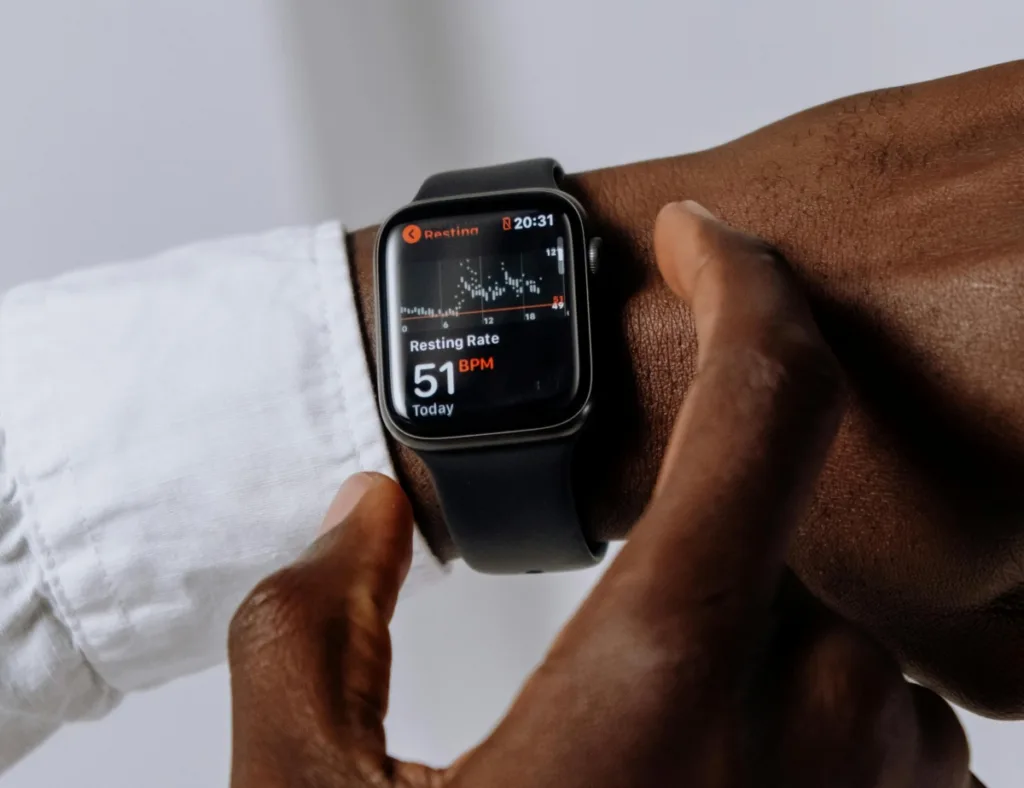
Sleep became something you could track. Focus became something you could “upgrade.” Food became fuel to be optimized. Wearables, apps, and dashboards turned subjective experiences into numbers, graphs, and scores.
For the first time, many people could see their biology reflected back at them in real time.
This phase contributed a lot. It normalized curiosity about health data. It accelerated research into sleep, recovery, and performance. It helped popularize ideas like circadian alignment, heart rate variability, and the impact of stress on physiology.
But it also distorted things.
When optimization becomes the goal rather than the tool, it’s easy to lose perspective. Metrics can start replacing intuition. Rest becomes something you “earn.” Discomfort gets framed as virtue. And biohacking shifts from understanding the body to trying to dominate it.
That’s how you end up with extremes getting the spotlight, because they’re more impressive on camera than a consistent bedtime.
What Changed and What Didn’t
From the outside, modern biohacking looks radically different from its early forms. The language is sharper. The tools are flashier.
But underneath all of that, very little has actually changed.
Human biology didn’t suddenly upgrade when smartwatches arrived. We still run on circadian rhythms. We still respond in predictable ways. The same systems that governed early humans are still doing the work today.
What did change is visibility. We can now see patterns that were once invisible.
History is useful here because it reminds us that extremes repeat themselves. Every era has its miracle cures, its rigid rules, and its overconfident claims. The tools change, but the mistakes stay surprisingly consistent.
Understanding that continuity makes modern biohacking easier to navigate without falling into either blind enthusiasm or total dismissal.
Modern Biohacking
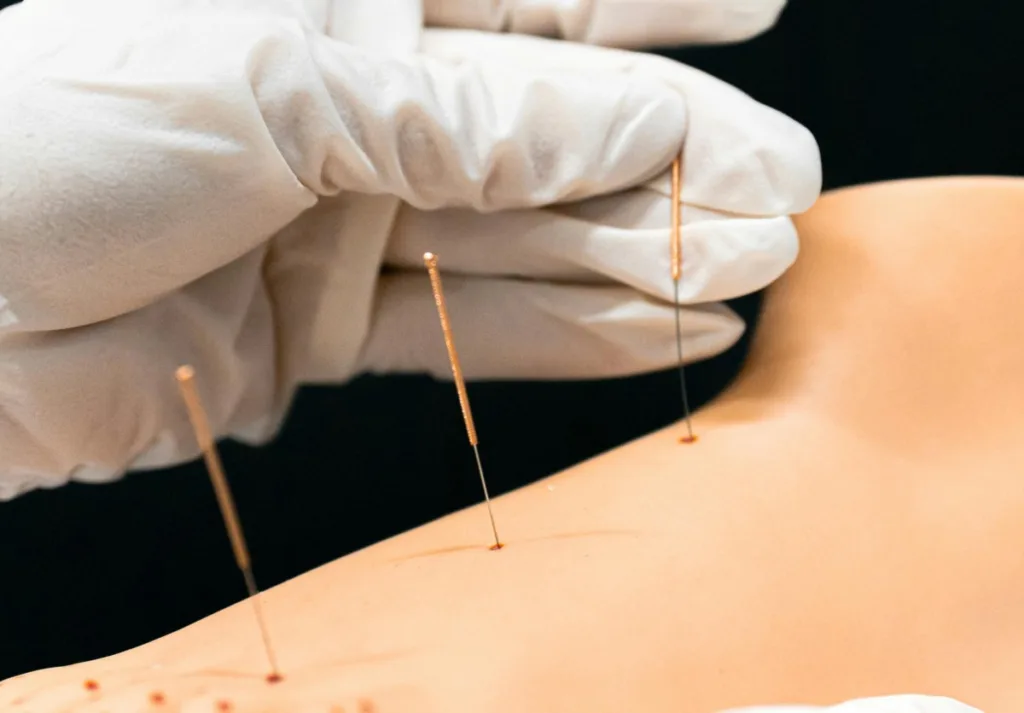
Today, biohacking sits somewhere between tradition and technology.
The most effective modern approaches tend to be unglamorous but well-supported:
- Improving sleep quality
- Aligning daily routines with circadian rhythms
- Managing stress load
- Supporting recovery
- Using data as feedback rather than judgment.
There’s also been a noticeable shift toward nervous system regulation. Instead of pushing harder, many people are learning to downshift more effectively – prioritizing res and resilience over constant output.
Technology still plays a role, but more selectively. Wearables are most useful when they answer specific questions, not when they turn life into a permanent performance review.
Supplements are treated as targeted tools, not foundations. And self-experimentation is framed as curiosity, not identity.
In many ways, modern biohacking is slowly circling back to its roots – just with better explanations and better guardrails.
History of Biohacking Frequently Asked Questions
Is Biohacking a Modern Trend or an Ancient Practice?
The term biohacking is modern, but the practice isn’t. Ancient cultures used fasting, heat and cold exposure, breath control, and herbal remedies to influence how the body and mind functioned. Modern biohacking builds on those instincts with better tools and scientific understanding.
Who Coined the Term “Biohacking”?
The term “biohacking” began appearing in the early 2000s, initially linked to DIY biology and later popularized through tech and optimization culture. Over time, it expanded to include lifestyle, performance, and wellness experimentation.
How Did Silicon Valley Influence Biohacking?
Silicon Valley reframed biohacking through the lens of optimization and data. Wearables, tracking tools, and performance metrics made biological processes visible in new ways. This helped normalize self-experimentation but also pushed biohacking toward extremes that don’t represent the whole field.
Did Biohacking Influence Modern Medicine?
Indirectly, yes. Many early observations, such as the use of willow bark for pain relief, eventually informed pharmacology and physiology research. Biohacking didn’t replace medicine, but it often preceded scientific explanation.
Is Biohacking Likely to Keep Evolving?
Almost certainly. As research, technology, and understanding of the nervous system improve, biohacking will continue to shift. What tends to last are practices that respect biology, adapt to real life, and prioritize long-term health over short-term gains.
Conclusion: Biohacking Is Old. Our Tools Are Just Better
Biohacking didn’t begin with podcasts or dashboards. It began the first time someone noticed that a small change made their body work better and decided to repeat it.
Understanding that history puts modern biohacking in perspective. It becomes less about chasing novelty and more about choosing wisely – using better tools to support very old biological needs.
Learn more by improving your physical and mental health, and checking out our guides on safe biohacking.
