If you’ve ever come across the term DIY bio and felt unsure whether it meant harmless curiosity or people doing wild experiments in their kitchens, you’re not alone.
“DIY biology” sits at a strange intersection of science, culture, and internet shorthand, and it’s often misunderstood – sometimes even by the people using the term.
The confusion usually starts when DIY biology gets lumped together with biohacking, biotechnology, or general “do-it-yourself health” trends. This article exists to separate those threads carefully, clearly, and without the drama.
Table of Contents
What Is DIY Biology?
DIY biology, sometimes shortened to DIY bio, refers to the practice of learning, exploring, and experimenting with biological concepts outside of formal institutions, usually for educational or research curiosity rather than medical treatment.
It emphasizes understanding biological systems, observing how they work, and participating in citizen science. Not diagnosing, treating, or altering human health.
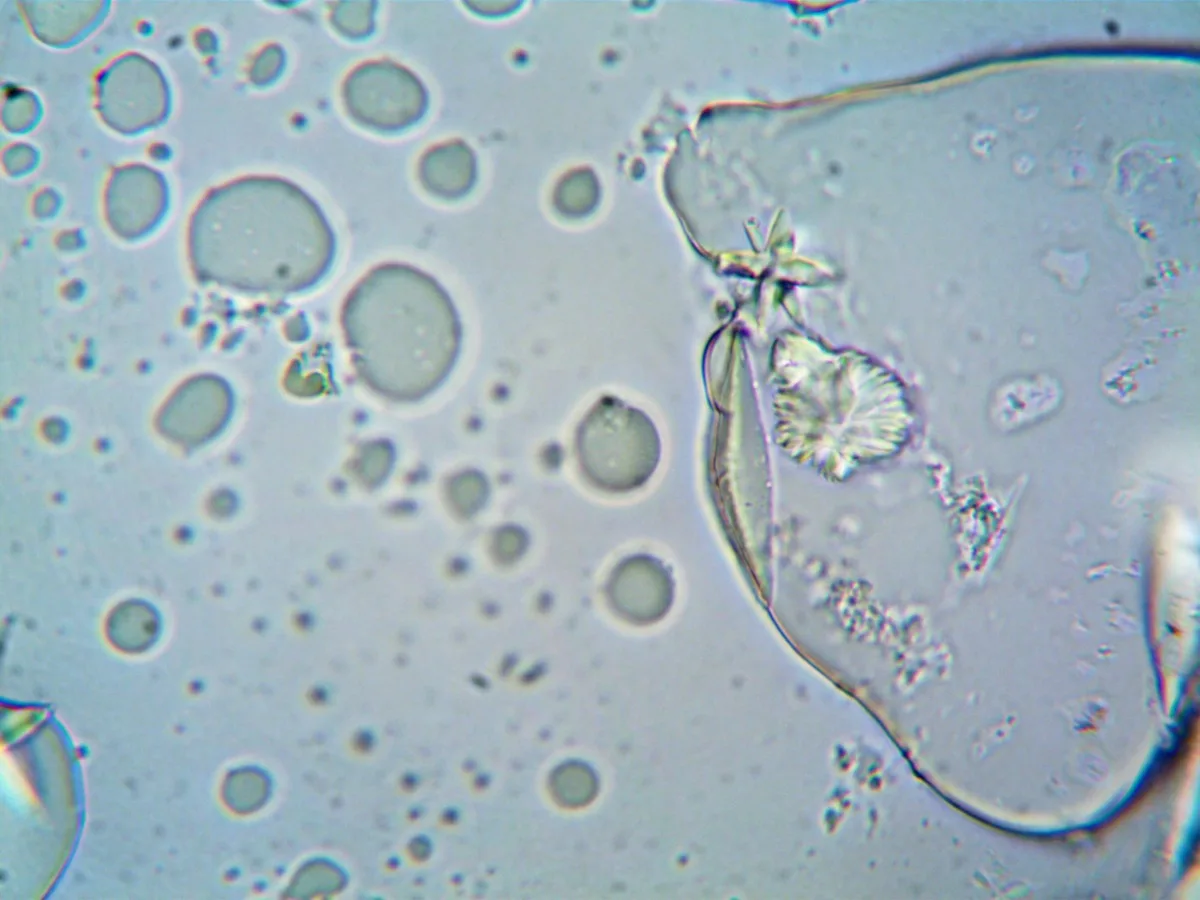
In practice, DIY biology might involve learning basic lab techniques, studying microbiology concepts, running simple experiments with plants or yeast, or participating in open science projects through community labs.
The goal is access and education: making biology less mysterious and more understandable to people who are curious, careful, and ethically minded.
When people say “DIY bio,” they are usually using informal shorthand rather than naming a formal discipline. The term is often used loosely online, sometimes to describe actual DIY biology activities and sometimes (incorrectly) to describe personal health optimization or biohacking.
That overlap in language is where much of the confusion begins, but at its foundation, DIY biology is about learning biology, not changing your body or treating disease.
Importantly, DIY biology is not a medical practice, does not replace professional healthcare, and is not a substitute for regulated scientific research.
Reputable DIY biology communities are explicit about these boundaries, placing safety, legality, and ethics ahead of experimentation.

What Does “DIY Bio” Mean in Practice?
In everyday use, DIY bio is more of a nickname than a precise label. It’s informal shorthand people use online to gesture at DIY biology without stopping to define it properly.
That looseness is convenient in conversation, but it’s also the main reason the term causes so much confusion.
Most of the time, when someone says “DIY bio,” they mean one of three things.
Sometimes they’re referring to genuine DIY biology: learning biological concepts outside of a university or corporate lab, often through community spaces, open-source tools, or guided experimentation.
Other times, they’re using it as a catch-all phrase for curiosity about biology in general, without any hands-on experimentation involved.
And occasionally, the term gets stretched too far and used to describe biohacking or personal health experiments, even though that’s not what DIY biology actually refers to.
This overlap happens because the words bio and DIY feel flexible and internet-friendly. They invite interpretation.
But in practice, DIY biology is about understanding biological systems, not intervening in your own body.
So when you see “DIY bio” used online, it helps to read it as a linguistic shortcut, not a technical term.
The real distinction isn’t in the phrase itself, but in the intent behind it: curiosity and education versus self-directed health modification. Keeping that distinction clear makes the rest of the conversation around DIY biology much easier—and much safer—to navigate.
A Brief History of How DIY Biology Started
DIY biology’s roots go back to the early 2000s, when scientists, educators, and curious non-scientists began asking a simple question: why should access to biological knowledge be limited to universities and corporations?
As technology became cheaper and more accessible, basic lab tools that once required institutional backing started showing up in community spaces.
This coincided with the rise of the maker movement and open-source culture, where people shared knowledge freely and collaborated across disciplines. Biology, long seen as inaccessible without formal credentials, slowly joined that ecosystem.
Community labs began forming in cities around the world, offering shared spaces where people could learn, observe, and experiment safely under established guidelines.
A key principle of early DIY biology was education, not disruption. These spaces emphasized transparency, ethical responsibility, and mentorship, often working alongside academic institutions rather than against them.
Many participants were students, teachers, artists, or professionals from other fields who wanted to understand biology more deeply, not bypass regulation or expertise.
Over time, the DIY biology movement developed its own norms around safety and ethics.
Responsible community labs adopted codes of conduct, biosafety standards, and clear boundaries around what kinds of experiments were appropriate.
This foundation is why modern DIY biology is better understood as citizen science rather than fringe experimentation. It’s about expanding scientific literacy and participation, not dismantling the systems that keep science safe and credible.
DIY Biology vs DIY Biohacking: What’s the Difference?
| Aspect | DIY Biology | DIY Biohacking |
| Core goal | Understanding how biological systems work | Improving personal health, performance, or well-being |
| Primary focus | Learning, observation, and experimentation | Habit change, environment, and lifestyle inputs |
| Subject of experimentation | Biological processes (often outside the human body) | The individual’s own body |
| Typical activities | Studying microorganisms, learning lab techniques, and participating in citizen science projects | Adjusting sleep, nutrition, light exposure, movement, or stress |
| Medical involvement | Not a medical practice and not used to treat disease | Not medical treatment, but often overlaps with health and wellness |
| Risk profile | Designed to be low-risk when ethical guidelines are followed | Varies widely depending on methods used |
| Regulation | Guided by community ethics and safety norms | Largely self-directed, with varying degrees of evidence |
| Why they’re confused | Both involve curiosity about biology and DIY learning | Both use experimentation language and data tracking |
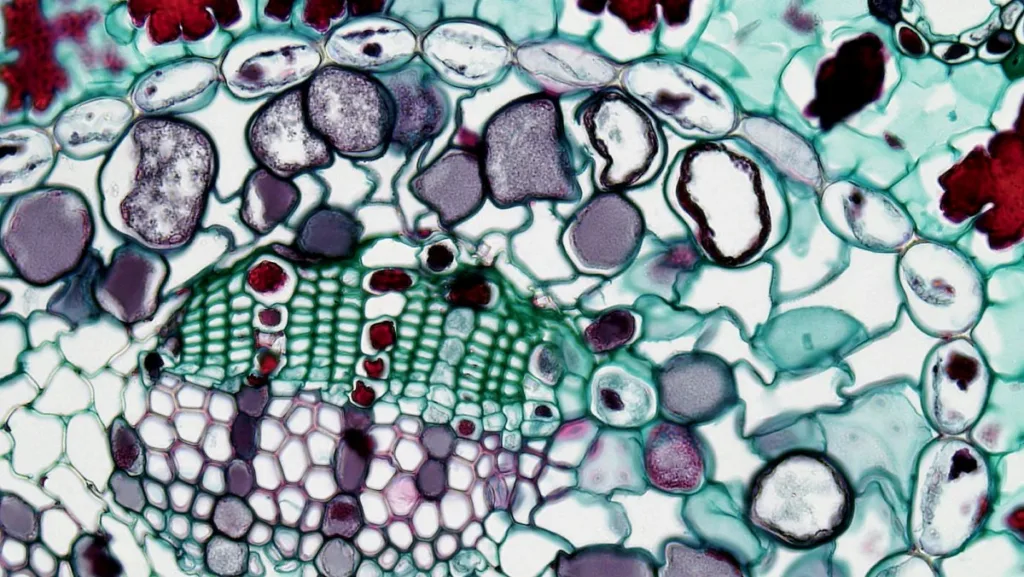
While both DIY biology and biohacking value curiosity and self-directed learning, they answer very different questions – and confusing them can lead to misunderstanding or unnecessary risk.
Is DIY Biology the Same as Biotechnology?
DIY biology and biotechnology are often mentioned in the same breath, but they operate at very different scales and with very different goals. The overlap is mostly conceptual—both involve biology—but the similarity largely ends there.
Biotechnology refers to the application of biological science to develop products or technologies, usually within regulated environments like laboratories, universities, hospitals, or companies.
This includes things like producing insulin using genetically modified bacteria, developing vaccines, or engineering cells for research and therapeutic use. These activities require specialized equipment, formal training, and regulatory oversight because they directly affect human health, the environment, or large populations.
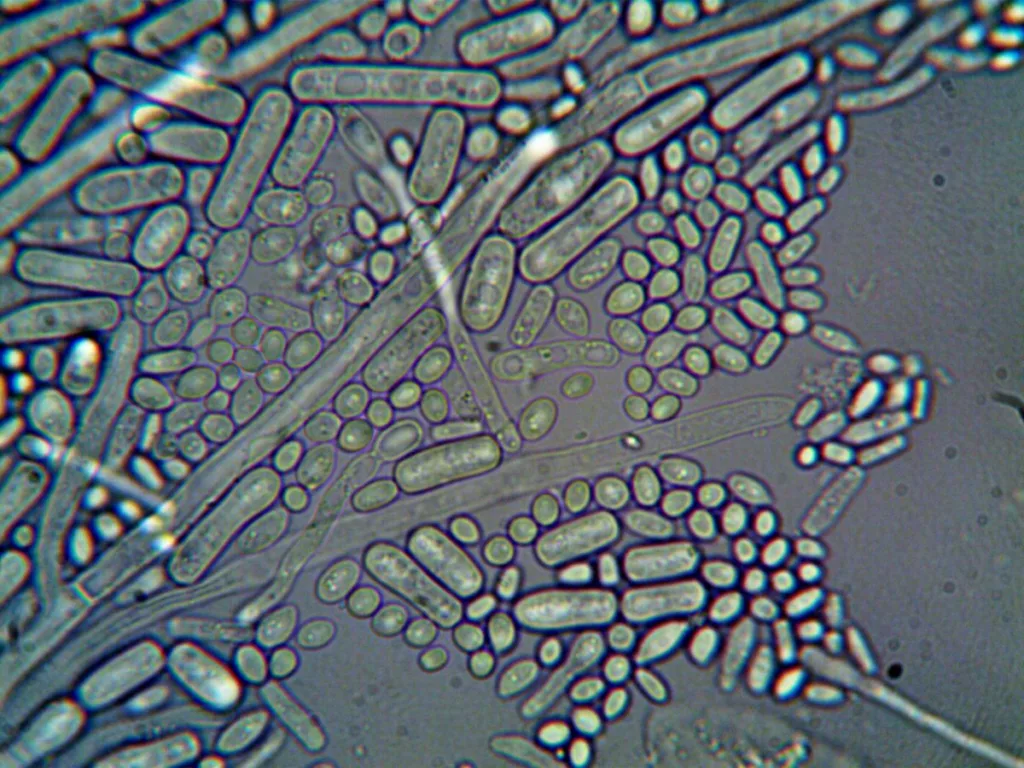
DIY biology, by contrast, focuses on learning and observation rather than engineering biological systems for clinical or commercial use. Most DIY biology activities stay well within existing biological boundaries, such as studying how microorganisms grow, learning basic lab techniques, or participating in open science research projects.
For the vast majority of people involved, DIY biology does not involve gene editing, clinical experimentation, or altering living organisms in ways that would trigger regulatory scrutiny.
Is DIY Biology Safe and Legal?
Reputable DIY biology spaces are built around the idea that curiosity should never come at the expense of people, public health, or the environment. That’s why ethics and risk awareness are considered foundational rather than optional.
Most DIY biology activities are designed to be low-risk and educational, often focusing on observation, basic laboratory skills, or non-pathogenic organisms.
Community labs and open science groups typically follow established biosafety guidelines, limit what kinds of materials can be used, and require training before any hands-on work takes place.
The goal is to make biology more accessible without bypassing the safeguards that exist for good reason.
Legality, however, varies by country and region. What’s allowed in a supervised community lab may not be legal—or appropriate—to do at home. Many jurisdictions have regulations around biological materials, laboratory equipment, and genetic manipulation, even at a small scale.
This is why DIY biology communities emphasize knowing local laws and working within them, rather than testing boundaries for the sake of experimentation.
Frequently Asked Questions About DIY Biology
What does DIY bio mean?
DIY bio is informal shorthand for DIY biology. It’s commonly used online to describe learning about biology outside of traditional institutions, but it isn’t a formal scientific term and is often used loosely or inconsistently.
Is DIY biology the same as biohacking?
No. DIY biology focuses on understanding biological systems through learning and observation, while biohacking focuses on changing habits or environments to influence personal health or performance. They overlap in curiosity, not in purpose.
Is DIY biology dangerous?
When practiced responsibly and within ethical guidelines, DIY biology is generally designed to be low-risk. Problems arise when boundaries around safety, legality, or medical practice are ignored, which reputable DIY biology communities actively discourage.
Conclusion
DIY biology, often shortened to DIY bio, is best understood as a learning-oriented approach to biology rather than a form of self-experimentation or alternative medicine.
At its core, it’s about curiosity, education, and participation in science, guided by ethical boundaries and respect for safety and regulation. Much of the confusion around the term comes from loose language and overlap with biohacking, not from what DIY biology actually represents.
When clearly defined, DIY biology fits into a broader movement toward scientific literacy and open knowledge, not a rejection of expertise or institutional science.
