
When people hear “biohacking,” they often imagine extreme routines. In reality, most biohacking looks a lot more ordinary and a lot less dramatic.
At its core, biohacking is about making intentional changes to everyday inputs and paying attention to how your body responds. That might sound simple, but it’s exactly why the term gets misunderstood.
Many biohacking examples are things people already do, just with a bit more awareness and consistency.
Let’s go through clear, everyday biohacking examples: no implants and no extreme protocols. Think of it as a grounded look at what biohacking actually looks like in real life.
Biohacking Examples Table of Contents
What Makes Something a Biohacking Activity?
Not every healthy habit automatically counts as biohacking. What separates a biohacking activity from a general wellness tip is intent.
A biohacking activity involves making a deliberate change and then observing what happens.
The focus isn’t on forcing an outcome, but on noticing patterns in energy, focus, recovery, or stress.
Another key feature is reversibility. Most everyday biohacking examples are low-risk and easy to undo. If something doesn’t work for you, you stop.
That ability to adjust or step back is what keeps responsible biohacking on the lifestyle side of the line, rather than drifting into experimentation that carries real risk.
Finally, good biohacking stays grounded in basic physiology.
It works with systems we already understand (circadian rhythms, stress responses, movement, and attention) rather than trying to override them.
Simple Biohacking Examples You Can Do Every Day
Most real-world biohacking doesn’t look like a “hack” at all. It looks like small, intentional tweaks to things your body already responds to.
Sleep Biohacks: Working With Your Internal Clock (Not Against It)
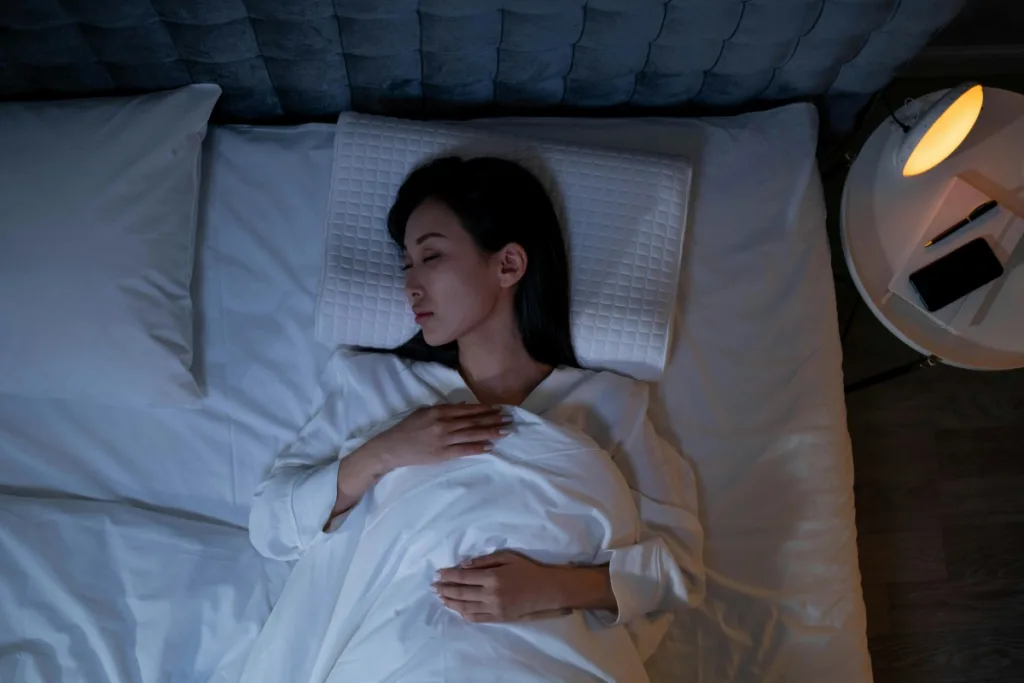
One of the most common biohacking examples is simply keeping your sleep and wake times consistent. This supports your circadian rhythm, which quietly regulates hormones, alertness, digestion, and recovery.
When timing stabilizes, a lot of other systems behave better by default.
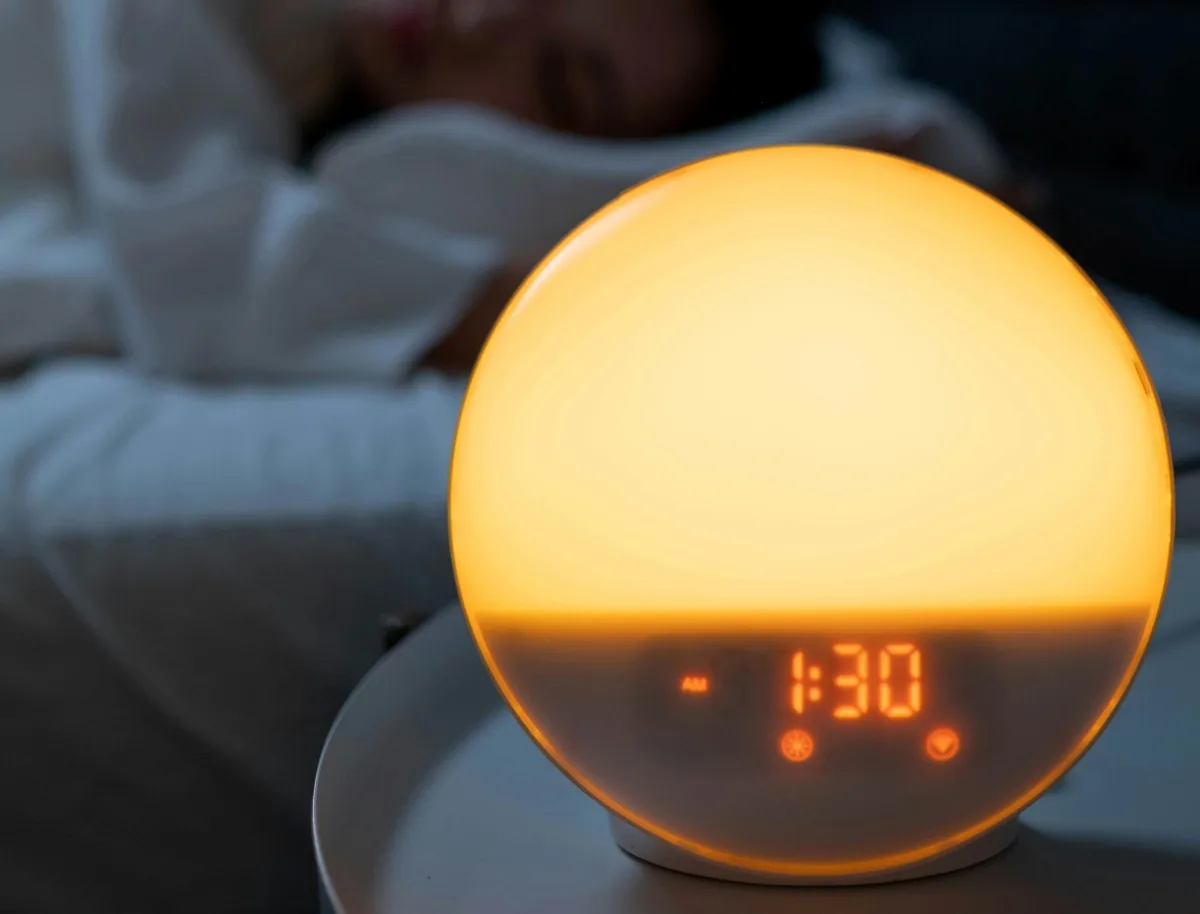
Another everyday biohack is getting natural light into your eyes early in the day. Morning light helps “set” your internal clock, making it easier to feel alert during the day and sleepy at night.
On the flip side, dimming lights in the evening (especially overhead lighting) reduces signals that keep the brain in daytime mode.
None of this requires apps or wearables. It’s basic biology, applied with intention.
Stress Biohacks: Teaching Your Nervous System to Stand Down
Stress biohacking isn’t about avoiding stress entirely as much as it is about giving your nervous system regular signals that it’s safe to downshift.
Simple examples include taking short breaks away from screens or slowing your breathing for a minute or two. These small interruptions influence the autonomic nervous system, nudging it away from constant activation.
Over time, these signals add up.
Many people also biohack stress through predictability. A short evening wind-down routine (same order, same cues) can help the body transition out of “day mode” more easily, even when life itself is messy.
Movement Biohacks: Less About Workouts, More About Circulation
Movement-based biohacking often gets confused with exercise plans, but most everyday examples are much simpler. Walking after meals, standing up regularly during long sitting periods, or doing brief mobility breaks all count.
These activities support circulation, joint health, and metabolic regulation without stressing the body. Even subtle posture changes—adjusting screen height or changing positions—can reduce strain over time. The goal isn’t intensity; it’s keeping the body from stagnating.
Environment Biohacks: Letting Your Surroundings Do Some of the Work
Environmental biohacks focus on shaping your space so your body doesn’t have to fight it.
Cooling the bedroom for sleep, reducing background noise, or changing lighting across the day are all common examples.
Humans are highly responsive to environmental cues, even when we don’t notice them consciously. A cooler, darker room supports sleep. Natural light supports alertness. Fewer competing stimuli reduce cognitive load. These changes don’t force outcomes, but they do remove friction.

Attention Biohacks: Designing Days That Waste Less Energy
Some of the most effective biohacking examples have nothing to do with biology directly and everything to do with attention.
Creating distance from distractions, batching similar tasks, or aligning demanding work with natural energy peaks can significantly change how the day feels.
These biohacks work because attention is metabolically expensive. When routines reduce constant switching and decision-making, the nervous system stays more regulated, and energy is conserved rather than burned through.
Common Biohacking Techniques (Without the Hype)
This is the part where most people either get wildly overwhelming or deeply unserious. So let’s do neither. Think of these biohacking techniques as patterns, not prescriptions. These are things people commonly tweak to see how their body responds.
Circadian Anchoring
This technique focuses on stabilizing your internal clock by keeping sleep, wake, and light exposure relatively consistent.
People use it because circadian rhythms influence hormones, alertness, digestion, and sleep quality. When timing improves, a lot of other things quietly fall into place.
Light Management
Light is one of the strongest biological signals your body responds to. Managing when you get bright light (especially in the morning) and when you avoid it (in the evening) helps regulate sleep–wake cycles and energy levels.
This is why light often appears in everyday biohacking examples—it works with little effort.
Stress Downshifting
Instead of trying to eliminate stress, this technique focuses on helping the nervous system exit high-alert mode more easily.
Slow breathing, brief pauses, or predictable routines are used to signal safety and recovery. People rely on this technique because chronic stress tends to compound quietly over time.
Movement Snacking
Movement snacking is exactly what it sounds like: small doses of movement spread throughout the day. Walking, stretching, or changing positions helps support circulation, joint health, and metabolic regulation. It’s popular because it doesn’t require workouts, schedules, or motivation spikes.
Environment Shaping
Rather than forcing willpower, this technique changes the surroundings. Cooling rooms for sleep, reducing noise, or simplifying workspaces all fall under this category.
People use environment shaping because the body responds automatically to cues—it’s less effort for more payoff.
Attention Friction Reduction
This technique focuses on making focused behavior easier and distracting behavior harder. Examples include batching tasks, silencing non-essential notifications, or creating simple routines.
It works because attention is a limited resource, and constant switching drains energy faster than most people realize.
None of these techniques are extreme. That’s the point. They’re popular because they’re low-risk, reversible, and rooted in systems we already understand.

How to Choose Biohacking Techniques That Actually Fit Your Life
One of the fastest ways to make biohacking miserable is to copy someone else’s routine wholesale.
What looks effortless on the internet often ignores context—work schedules, stress levels, health history, and the simple fact that bodies are not interchangeable.
A good biohacking technique should lower friction, not add to it. If a change makes your day harder to manage, increases stress, or requires constant vigilance, it’s probably not a great fit—no matter how popular it is.
Sustainable biohacks tend to blend into daily life instead of competing with it.
This is where awareness matters more than optimization.
Instead of asking, “What’s the best biohack?” a more useful question is, “What’s one small variable I can change and observe?” That might be sleep timing, light exposure, movement breaks, or how you transition out of work mode in the evening.
Biohacking works best when it’s treated as an ongoing conversation with your body, not a performance challenge.
Start small, change one thing at a time, and pay attention to how you actually feel and not how you think you should feel. That feedback loop is what turns everyday habits into meaningful biohacking activities.
Do I need special equipment to biohack?
No. Many common biohacking activities don’t involve gadgets, supplements, or wearables at all. Consistent sleep timing, light exposure, movement, and stress management are some of the most widely used biohacks—and they’re free.
Can biohacking replace healthcare?
No. Biohacking is not medical treatment and does not replace professional healthcare. It’s best understood as a way to support everyday functioning and awareness, not diagnose or treat medical conditions.
What’s the best biohack to start with?
The best starting point is usually something foundational and easy to observe, like sleep timing, daily light exposure, or reducing unnecessary stressors. Simple changes make patterns easier to notice and adjust.
Conclusion: Start With Awareness, Not Hacks
Most real-world biohacking isn’t about chasing cutting-edge techniques or stacking complicated gadgets. It’s about noticing how everyday inputs (sleep, stress, movement, environment, and attention) shape how you feel and function.
If you want a deeper sense of how this all came to be, check out the amazing history of biohacking. Understanding the origins of the movement helps clarify why many so-called “advanced” techniques aren’t necessary for everyday improvement.
If there’s one takeaway, it’s this: you don’t need to do more to biohack. You just need to notice more.
Biohacking often begins with strong basics. These free tools can help you understand where your body’s baseline is:
- Sleep habits: Take our free sleep hygiene test to see what daily patterns might be influencing your rest.
- Restorative sleep patterns: If sleep quality still feels elusive, a restorative sleep assessment can give you deeper insight.
- Stress baseline: Stress quietly shapes nearly every system. Our free stress assessment helps you objectively map where you are right now.
