

Biohacking has a branding problem. Depending on where you encounter it, biohacking is either portrayed as a sensible way to improve sleep and energy or as something involving implants, extreme fasting, and people turning themselves into questionable science experiments.
Both images exist online, but neither tells the full story.
This article breaks down the most common biohacking myths – starting with the ones almost everyone has heard, then moving into a few that are less obvious but just as misleading.
Biohacking Myths and Misconceptions Table of Contents
Myth #1: Biohacking Means Dangerous Self-Experimentation
This myth sticks because the loudest biohacking stories are also the most extreme. People injecting untested substances or implanting devices make headlines, while the far more common, boring version of biohacking never does.
In reality, most biohacking focuses on everyday variables like sleep timing, light exposure, nutrition, movement, and stress. These are not medical interventions. They’re behavioral and environmental adjustments meant to support how the body already functions.
The confusion comes from treating all self-directed change as experimentation. There’s a meaningful difference between noticing how consistent sleep affects your energy and performing unregulated biological interventions. Responsible biohacking stays firmly on the first side of that line.
That doesn’t mean biohacking is automatically risk-free. Poorly informed supplement use or extreme protocols can backfire. But framing biohacking as inherently dangerous ignores the fact that many approaches are simply structured ways of paying attention to well-established human physiology.
Myth #2: Biohacking Is Basically DIY Biology or Gene Editing
Somewhere along the line, biohacking picked up a reputation for involving petri dishes, lab coats, and people casually editing their DNA between meetings. This is… not what’s happening.
Biohacking is primarily about changing inputs around your body (Sleep, light, food, movement, stress) and observing how those changes affect how you feel or function. DIY biology, on the other hand, is about learning and experimenting with biological systems themselves, usually in educational or community lab settings.
Gene editing, clinical experimentation, and biotechnology live in a completely different universe. Those activities are regulated, institutional, and tightly controlled for a reason.
Confusing biohacking with DIY biology or gene editing turns a mostly practical, lifestyle-oriented practice into something far more dramatic—and far less accurate—than it actually is.
Myth #3: You Need Expensive Tech or Implants to Biohack
Thanks to social media, biohacking can look like a shopping list with a very aggressive price tag.
Wearables, red light panels, ice baths, glucose monitors, and the occasional futuristic gadget make it seem like biohacking is reserved for people with money.
In reality, some of the most effective biohacks are unglamorous and free. Sleeping at consistent times, getting daylight in your eyes in the morning, moving your body regularly, and eating in a way that actually suits you will do more for your energy and health than most devices ever will.
Tech can be useful, but it’s optional. Tools are meant to support awareness, not replace it. The myth sticks because gear is visible and shareable, while basics are boring.
Myth #4: Biohacking Is Anti-Medicine or Anti-Science
Biohacking sometimes gets framed as a rebellion against science or “the system.” Cue the image of someone throwing out their prescriptions and replacing them with vibes and supplements. That version exists online, but it’s not the default.
Most evidence-informed biohacking actually leans toward science, not away from it. It borrows heavily from sleep research, circadian biology, exercise physiology, and nutrition science.
The difference is scale and application: biohacking asks how existing research applies to daily life, not how to replace professional care.
Problems arise when biohacking is treated as an alternative to medicine rather than a complement to it.
The myth sticks because rejecting authority is louder than working alongside it. But in practice, the most grounded biohackers are usually the ones reading studies, respecting limits, and involving professionals when something moves out of the “lifestyle” lane.
Myth #5: Biohacking Is Only for High Performers
Somehow, biohacking got branded as a hobby for CEOs, athletes, and people who wake up at 4:30 a.m. on purpose. If you’re not chasing peak productivity or elite performance, it can feel like biohacking simply isn’t “for you.”
In reality, a huge portion of biohacking is about functioning better, not performing harder.
This myth sticks because “high performance” sounds impressive, while “I’d like to feel less exhausted after my 9 to 5” doesn’t trend well online.
But many people turn to biohacking precisely because they’re struggling with basic rhythms, not because they’re trying to become superhuman.

Myth #6: If It’s “Natural,” It’s Automatically Safe
The word natural does a lot of heavy lifting in biohacking spaces. If something comes from a plant or a very ancient-sounding tradition, it’s often assumed to be universally beneficial. Unfortunately, biology does not work on vibes.
Plenty of natural substances are biologically active—that’s literally why people use them.
Caffeine is natural. Nicotine is natural. So are compounds that affect hormones, blood pressure, liver enzymes, or sleep architecture. “Natural” doesn’t mean mild; it just means it came from nature.
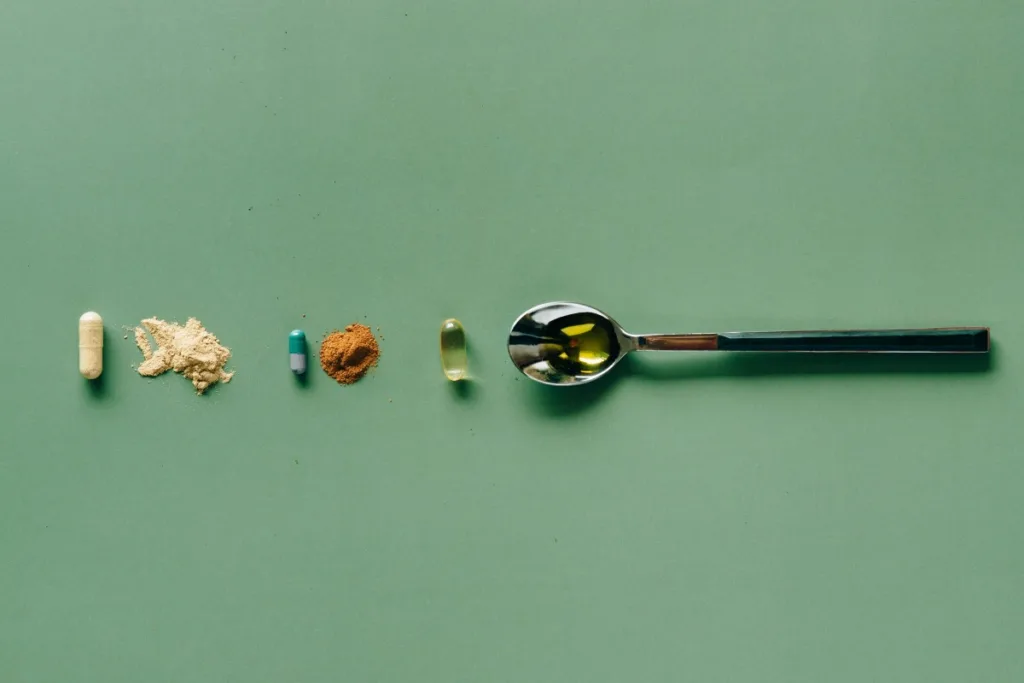
This myth shows up most often with supplements. Because they’re sold over the counter and marketed as wellness products, it’s easy to forget that many supplements have real physiological effects and real interactions.
Dose matters. Context matters. Your individual biology matters.
The idea that natural equals safe is comforting, but it’s also misleading. Responsible biohacking treats all inputs (natural or synthetic) as things worth understanding before stacking.
Myth #7: Biohacking Is About Total Control Over Your Body
Biohacking is often portrayed as a quest for perfect control.
Track everything. Optimize everything. Never feel tired, foggy, or off again. If something goes wrong, it’s because you didn’t hack hard enough.
In reality, biology is adaptive, not programmable. Bodies fluctuate. No amount of tracking can turn a human nervous system into perfectly predictable software.
This myth tends to attract people who want certainty, especially when life feels chaotic. But when biohacking becomes about micromanagement, it often increases stress rather than reducing it.
Healthy biohacking works with variability instead of fighting it. Feeling better more often, recovering faster when things go sideways, and knowing when to stop tweaking and let your body do what it already knows how to do.
Biohacking Myths Conclusion
Most biohacking myths exist because the loudest versions of biohacking are also the most extreme.
Social media rewards novelty, while the quieter reality rarely goes viral.
When you strip away the hype, biohacking is a way of noticing patterns, making small, reversible changes, and understanding that biology is complex, adaptive, and deeply individual.
If you’re curious about biohacking in a practical, grounded way, the most useful place to start is with awareness—not protocols.
You can begin by taking our free sleep hygiene test to see how your daily habits might be affecting your energy and recovery. If sleep feels like a bigger puzzle, the restorative sleep assessment can help you understand whether you’re actually getting the kind of rest your body needs.
And because stress quietly shapes almost every biological system, our free stress assessment can help you map where you are right now—before you try to change anything.
